
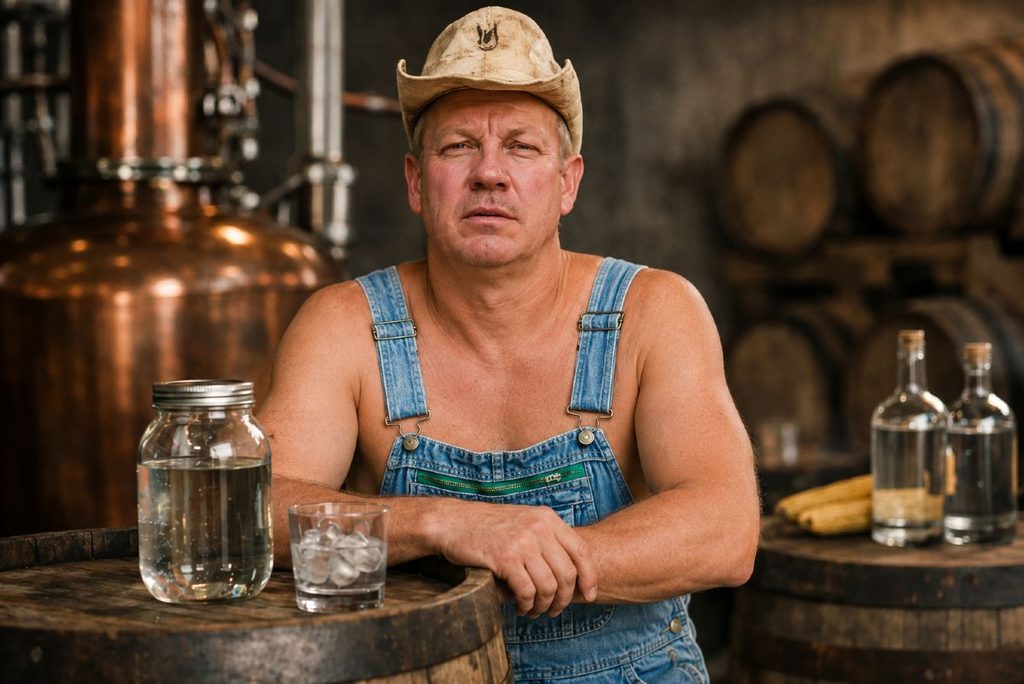
Tim Smith did not build a name by acting like a polished spirits-company spokesman. He built it by being Tim Smith: a Virginia moonshiner with a family story, a straight-shooting way of talking, and a reputation viewers could recognize before they ever saw a bottle on a shelf. That is what makes the moonshiner Tim Smith brand example worth studying for distillers, creators, and backwoods businesses trying to turn a real-world reputation into something bigger.
A lot of folks have good product. Plenty have a wild story. The hard part is making people remember who you are, trust what you stand for, and know what to look for when they are ready to buy, visit, follow, or book you. Tim Smith’s public brand gives a strong example of how heritage, television, product identity, and personality can pull in the same direction.
The Moonshiner Tim Smith Brand Example Starts With Roots
Before the cameras and before legal labels, the Tim Smith story carried something audiences cannot fake: family moonshining history. On Moonshiners, viewers got more than a lesson in making liquor. They saw the country roads, the old methods, the pressure, the jokes, the setbacks, and the pride tied to a way of life.
That kind of foundation matters because heritage spirits buyers are not only buying flavor. They are buying a connection to place, craft, and character. If the story feels borrowed from a marketing meeting, folks can smell it a mile away. Tim’s story worked because it was already there. The brand did not invent a backwoods identity. It gave a real one a bigger stage.
For a distillery or personality, that is the first lesson: do not start by copying somebody else’s legend. Start with the truth you can stand behind. Maybe it is a family recipe, a local farming connection, years behind a still, military service, a music scene, or the town that raised you. Find the part of your story that has teeth, then tell it consistently.
Television Turned Familiarity Into Trust
When Moonshiners hit Discovery in 2011, it put moonshine culture back in living rooms across the country. The show brought viewers into a world many had only heard about through family stories, outlaw songs, and old-time tales. As seasons rolled on, personalities became the heartbeat of the series. Tim Smith stood out because he came across as capable, direct, and tied to something older than television.
TV exposure alone does not create a lasting brand. Reality television can make a person famous fast, but fame can disappear just as fast when there is nothing beyond the episode. The stronger move is using that attention to make a clear promise. With Tim Smith, that promise was rooted in authentic Virginia moonshine tradition and a recognizable personal standard.
That is where many businesses miss the turn. They get a viral video, a feature, or an event appearance, then send people to a thin social page with no clear product, no story, and no way to stay connected. Attention is a spark. Brand work is what keeps the fire going.
A good public-facing personality needs a home base that looks and sounds like them. That can include a sharp website, product photography that feels honest instead of stock, video that captures the people behind the operation, and social posts that keep the voice familiar between major appearances. The goal is not to make a moonshiner sound like a bank. The goal is to make it easy for a customer to recognize the real deal.
A Clear Product Gives the Story Somewhere to Go
Stories open the door, but products give people a reason to come back. Tim Smith’s move into legal commercial moonshine gave fans a way to participate in the story without pretending they were part of an illegal run. That is a major piece of the brand example.
A heritage-driven business has to walk a line. Lean too hard into nostalgia and you can look like a souvenir shop. Lean too hard into corporate polish and you lose the grit that got people interested in the first place. The best brands keep the roots visible while making the buying experience clear, legal, and dependable.
For spirits brands, that means the label, bottle, flavor names, retail presentation, tasting-room experience, and online content need to speak the same language. A customer should not see rugged Appalachian storytelling in a video, then find a generic product page that could belong to anybody. Every touchpoint should answer the same question: why is this bottle yours and not somebody else’s?
The answer does not have to be complicated. It may be a particular corn recipe, a local water source, a family process, a bold flavor profile, or a face the audience already trusts. But it must be specific. “Premium” is not a story. “Handmade” is not enough by itself. Give people something they can repeat to a friend.
Personality Is Not a Logo
One reason the Tim Smith name carries weight is that the man and the brand do not feel disconnected. His personality is part of the value. That does not mean every founder needs to be on television or turn into a full-time entertainer. It means the public should be able to feel there are real hands, real beliefs, and real people behind the brand.
In the moonshine and distilling world, customers notice when somebody is trying too hard. They also notice when a business hides behind a logo because it has nothing to say. A founder video filmed at the distillery, a behind-the-scenes look at a local event, or a short post explaining why a recipe matters can do more than a month of empty promotional graphics.
There is a trade-off, though. Personality-led branding asks for consistency. If the owner is the brand, they need boundaries and a plan. Not every family moment belongs online. Not every opinion needs to become a post. The strongest public presence keeps the human voice while protecting the business from chaos.
What Other Brands Can Borrow From Tim Smith
The useful takeaway is not that every distiller should wear camouflage, talk the same way, or build an outlaw image. That would be copycat marketing, and copycats rarely earn loyalty. The lesson is to align what is already true about your business with how people see you in public.
A small legal distillery might lead with its county, grain source, and working family. A country artist with a spirits partnership might lead with the road life and the people at the shows. An event promoter might build around the faces, music, cookouts, vendors, and local traditions that make the gathering worth attending. The format changes, but the work stays the same: capture the real story, give it a consistent visual identity, and keep showing up where your audience gathers.
That takes more than posting whenever somebody remembers. It takes good photography, video with a purpose, search visibility that helps new fans find you, and event coverage that proves your crowd is real. Moonshiner Gary has worked in this world long enough to understand that a strong brand is built through relationships and repetition, not fancy agency talk.
Keep the Legend Honest
Moonshine carries plenty of romance, and it should. The old stories are part of the culture. But brands have to respect the line between honoring history and promoting illegal activity. The better path is to celebrate craft, heritage, responsible legal production, and the communities that kept these traditions alive.
That is another reason the Tim Smith example lands. It shows how an outlaw-era family story can become a modern public brand without throwing away its roots. The history gives the brand flavor. The present gives it a future.
If you are building your own name in this business, do not wait for a TV crew to tell people who you are. Put the real story on camera. Show the work. Make your products easy to recognize. Let your customers meet the people behind the label. When the roots are real and the message stays steady, folks will carry your name farther than any paid ad ever could. We Shinin’.



Comments are closed.