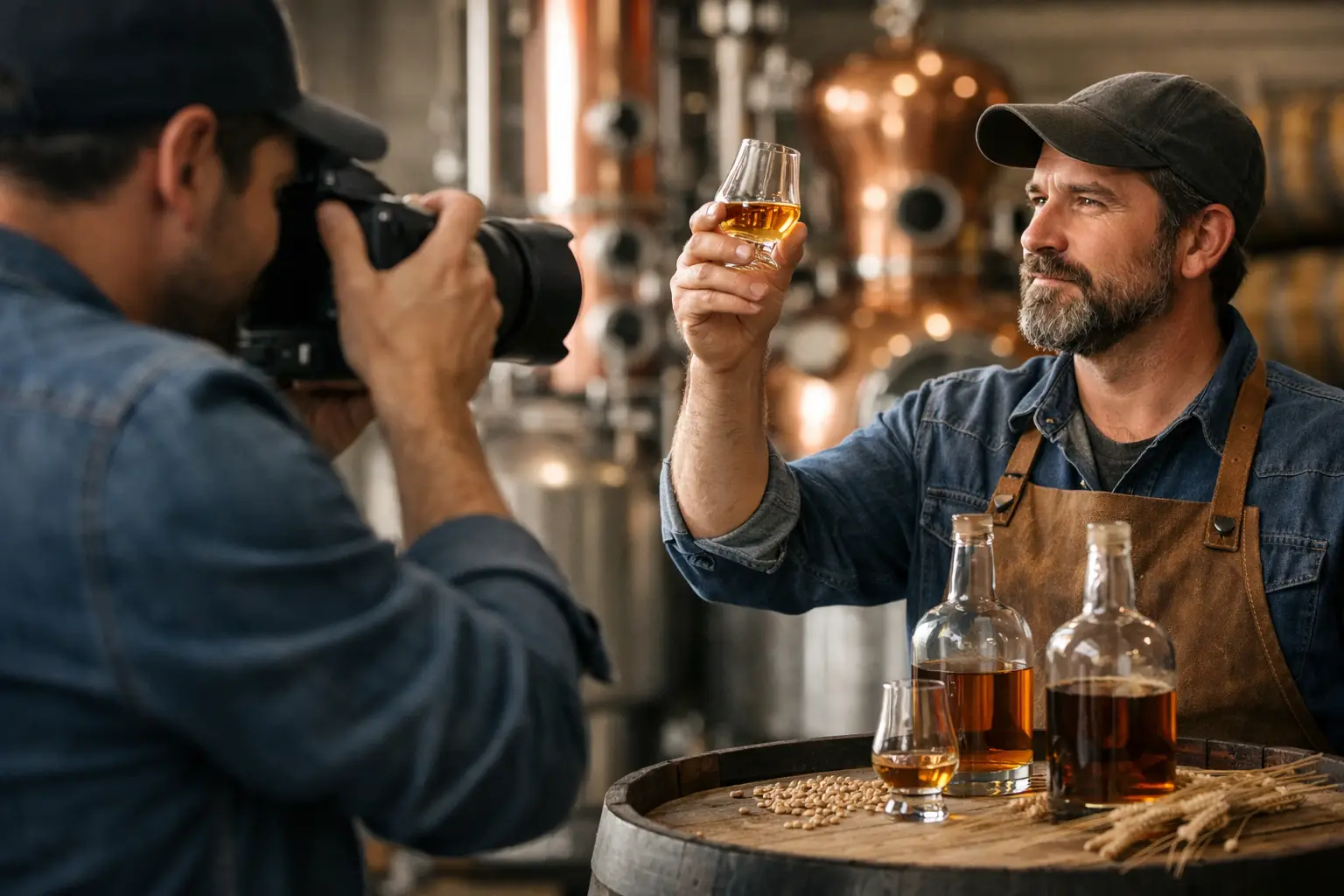
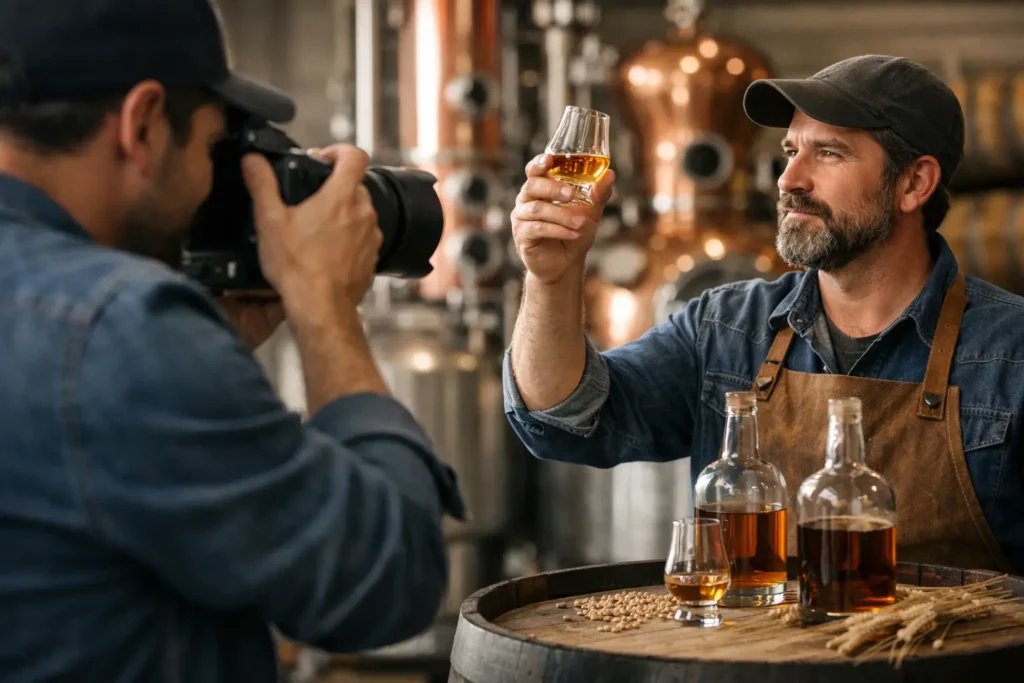
A bottle on a white backdrop may show what you sell. It rarely shows why anybody ought to care. Good photography for distilleries has to carry the heat of the still room, the hard-earned hands behind the mash, the old family recipe, and the pride that hits when a visitor takes that first sip.
That matters more than ever in heritage spirits. Folks can buy liquor anywhere. What they cannot copy is your place, your people, your process, and the reason your bottle belongs on their shelf. Your photos are where that story starts before a customer ever walks through the door.
Your Distillery Needs More Than Bottle Shots
There is nothing wrong with a clean product image. You need it for an online store, distributor sheets, menus, and press use. But if every image looks like it came from the same catalog, your brand starts looking like every other brand too.
A distillery is full of visual proof. Copper stills catch the light. Grain dust hangs in an old mill room. Barrels stack up like they have stories to tell. A distiller checking a run, a bartender pouring a flight, or a founder shaking hands at a festival says more about the business than another polished bottle by itself.
The best image mix gives people both sides of the operation. Show the bottle clearly enough to sell it, then show the world it came from. That is how a brand feels established without feeling staged.
For legal craft distilleries, that balance can also answer the questions customers are already asking. Is this made here? Who is making it? Is there real care behind it? Is this a heritage brand with roots, or a label built in a boardroom? Photography gives you a chance to answer without sounding like a sales pitch.
What Moonshine Culture Taught Us About Story
When Moonshiners first hit television in 2011, America got a closer look at a world many folks only knew through family stories, backroad talk, and old legends. The show did not connect because viewers wanted a lecture on alcohol production. They connected with characters, woods, smoke, ingenuity, risk, and the personalities carrying the tradition forward.
Over the years, audiences followed familiar faces such as Tim Smith, Tickle, Mark and Digger, Amanda, Josh, and others because each one brought a different story to the screen. The still was part of it, but the people made it matter. That same truth applies when marketing a legal distillery or heritage spirits brand.
Your camera should not treat the operation like a factory with a logo slapped on the wall. It should find the character in it. Maybe that is a fifth-generation family property. Maybe it is a former mechanic who built a small-batch whiskey business from scratch. Maybe it is a crew reviving a regional recipe that nearly disappeared. Real details beat stock-photo polish every time.
That does not mean every shoot has to be muddy boots and a foggy barn. Some brands need a clean, premium look for a high-end bourbon release. Others need a loud festival feel for a fruit shine line. The point is to make the style fit the truth of the brand, not chase whatever look is popular this month.
The Shots That Actually Pull Their Weight
Photography should be planned around where it will be used. A great hero image on your website may crop poorly for Instagram. A beautiful portrait may not help a retailer who needs a clear label shot. Build the session around the real job each photo has to do.
For most distilleries, a useful library includes these five categories:
- Product photographs with readable labels, clean lighting, and room for promotional text when needed.
- Process images of milling, mashing, distilling, barreling, bottling, and hands-on work.
- Environmental shots that show the tasting room, rickhouse, farm, mountains, downtown storefront, or property that makes your location yours.
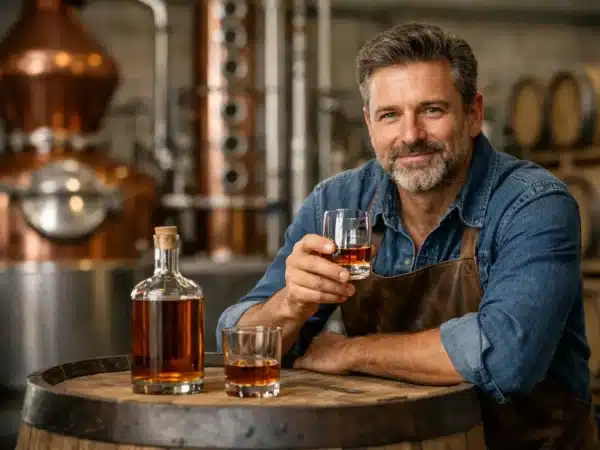
- People photographs featuring founders, distillers, bartenders, and guests who represent the life of the business.
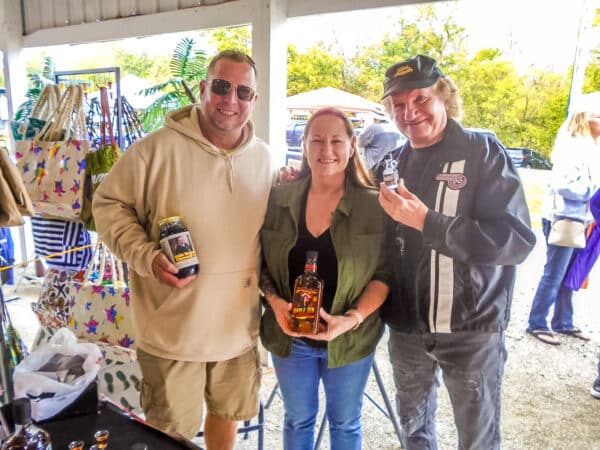
- Event coverage from release parties, tastings, festivals, concerts, charity nights, and brand appearances.
The key is variety with a purpose. A social media manager needs vertical images and candid moments. Your website needs wide landscape images with room for copy. A magazine may need high-resolution portraits. A distributor may want clean pack shots. Get it all in one planned shoot, and you will have content to work with long after the camera packs up.
Photography for Distilleries Is a Trust Signal
People are sharp. They can tell when a brand is borrowing someone else’s story. They can also tell when a business has not put enough care into showing its own.
Blurry phone photos, dark tasting-room snapshots, and inconsistent edits do not just look rough. They can make a good product seem less established than it is. That is a tough break when you have put years into licenses, equipment, recipes, barrels, and building a name the right way.
Professional photography tells customers, buyers, media outlets, and event partners that you are ready for the next level. It gives them something worth sharing. More importantly, it makes your own team proud to post what is happening behind the scenes.
There is a trade-off, of course. Highly polished photos can look premium, but they can lose the grit that makes a working distillery believable. On the other hand, a completely raw approach can leave a luxury-priced product looking unfinished. A good photographer knows when to let the steam, shadows, and worn wood stay in the frame and when to clean up the composition so the bottle still leads.
Plan the Shoot Before the Still Starts Running
The strongest shoots are not built on luck. Before the session, decide what you are promoting over the next six to twelve months. A new release, tasting-room expansion, a holiday gift set, a festival season, an award win, or a founder story can all shape the shot plan.
Choose a production day when the place is alive. Empty equipment has its place, but a distillery looks more believable when there is work happening. Schedule around active mashing, a barrel pull, a bottling day, or a tasting event if possible. Make sure the crew knows they may be photographed and has clean branded gear available, but do not turn everybody into a stiff model. Let them work.
Lighting deserves some thought too. Natural morning light can make a property feel open and inviting. Late afternoon can bring warmth to barrels and copper. A darker still room may need controlled lighting to preserve detail without making it look like a crime scene. The right choice depends on the brand and the space.
Also, do not overlook the small stuff. Wipe bottle glass. Straighten labels. Clear random boxes from the background. Keep safety practices visible and respected. Authentic does not mean careless. It means the camera is seeing the operation at its best while it is still unmistakably yours.
Put Every Image to Work
A photo shoot should not end with a folder nobody opens again. Use the images across your website, social channels, press materials, email campaigns, event flyers, point-of-sale displays, and retailer pitches. Pull a detail shot from the still for a post about process. Use a founder portrait when telling the brand story. Bring the bottle image back when it is time to drive sales.
That kind of consistent visual presence is how local reputation turns into wider recognition. Moonshiner Gary has seen firsthand that audiences respond when the media feels connected to the people and culture behind the product. The work does not need to be fake fancy. It needs to be clear, strong, and true to the folks making the shine.
Your next shoot is not just about filling a content calendar. It is a chance to put your distillery’s real character on record. Give people a reason to stop scrolling, ask for a pour, and remember where that bottle came from. We shinin’.



Comments are closed.