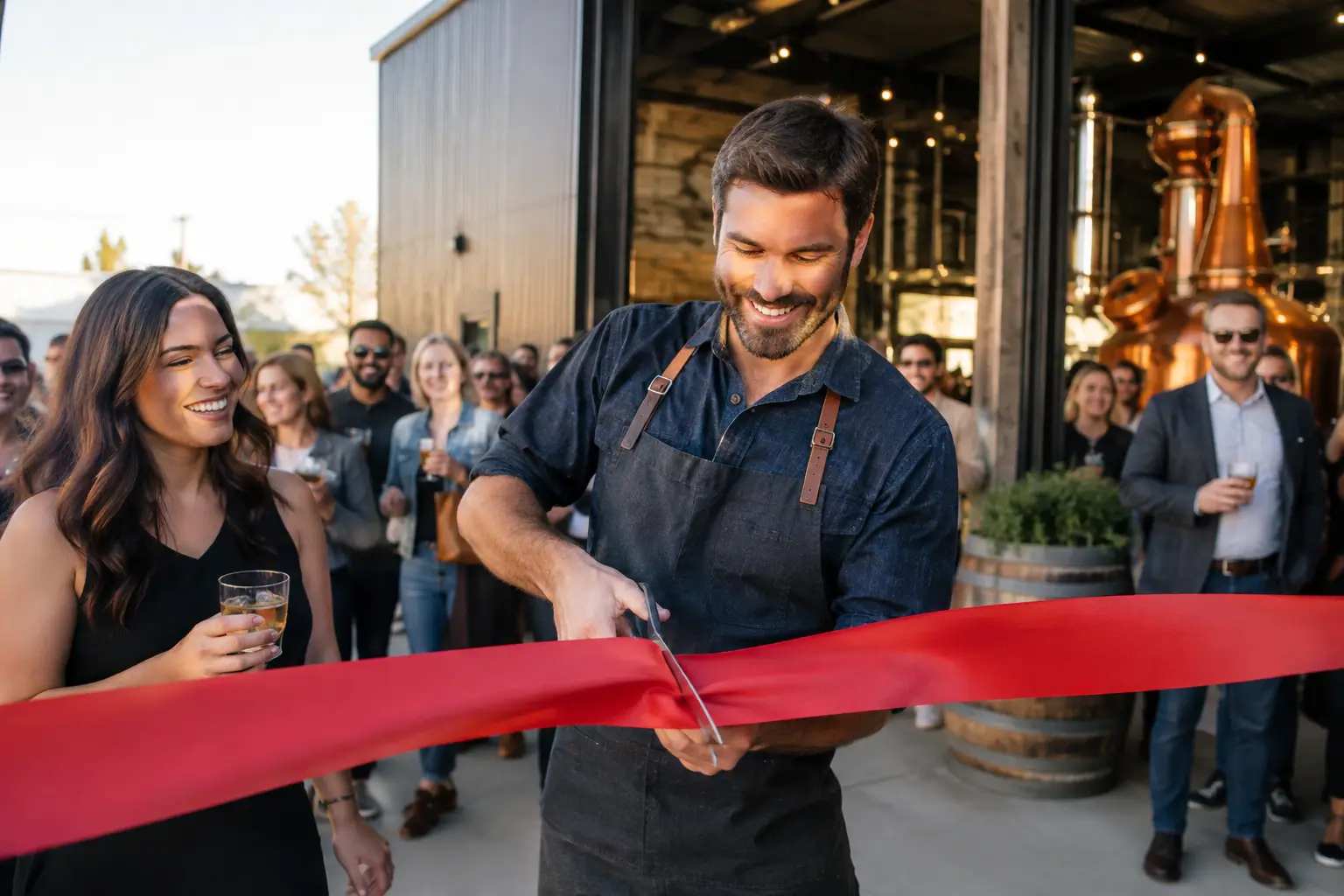
A grand opening is not just the day you unlock the front door and hope folks wander in. For a legal distillery, it is the first real proof that your name, your story, and what is in that bottle belong together. The best distillery grand opening tactics do more than produce a packed parking lot. They give people a reason to come back, bring friends, and talk about your place when they are nowhere near the tasting room.
Folks in this business can smell fake from a mile away. You do not need a red-carpet stunt cooked up by some agency that has never stood beside a still, met a farmer supplying grain, or listened to an old-timer tell the real story behind a family recipe. You need an opening that feels like your distillery – honest, well-run, welcoming, and worth remembering.
Start With the Story Before the Party
Before you book a band or order a single banner, get clear on the story you are inviting people into. Maybe your distillery is built on Appalachian grain traditions. Maybe it sits on family land. Maybe your founder spent years learning the trade and finally brought a legal, hometown operation to life. That is your opening-day backbone.
Put that story everywhere it belongs: on the invitation, in the welcome remarks, on your tasting-room walls, in short videos, and in the words your staff uses with guests. A bottle can be good, but a bottle with a story has legs. It gives visitors something to repeat at the bar, share online, and remember when they are staring at a shelf full of choices.
The Moonshiners television era showed America something many folks around these hills already knew: people care about the people behind the liquor. Tim Smith, Tickle, Mark and Digger, Amanda, and the rest connected because viewers got personality, history, hard work, and a little grit along with the shine. Your grand opening should let people meet the real people carrying your brand forward.
Build the Right Crowd, Not Just a Big One
A packed house looks good in photos, but the wrong crowd can create long lines, burned-out staff, and zero sales after opening weekend. Think first about who needs to be in the room. Local residents matter. So do restaurant owners, bartenders, package-store buyers where allowed, tourism partners, regional media, community leaders, and people who already support local makers.
Give those groups a reason to show up early or attend a dedicated preview. A small trade-and-community hour before the public opening can create relationships that pay off long after the last parking spot is gone. Let them taste the core lineup, meet the distiller, hear the origin story, and leave with clear information about how to work with you.
Public attendance still needs a little strategy. Promote the date early, but do not rely on one Facebook post a week before the event. Build anticipation over several weeks with bottle reveals, behind-the-scenes clips, staff introductions, progress photos, local partner spotlights, and a straight answer about what guests can expect. Show the work, not just the finished building.
If capacity is limited, timed entry or ticketed tasting blocks may be smarter than throwing the gates wide open. It depends on your footprint, local rules, staffing, and parking. There is no shame in controlling the flow. A guest who gets a good pour, hears the story, and buys a bottle is more valuable than a guest who waits forty minutes, gets frustrated, and leaves thirsty.
The Best Distillery Grand Opening Tactics Put Experience First
People will forgive a few opening-day wrinkles. They will not forget feeling ignored, confused, or nickel-and-dimed. Map the guest experience from the road to the register. Can visitors find the entrance? Is parking clear? Do they know where to check in, where to taste, where to buy, and where the restrooms are? Those basics are not glamorous, but they protect the whole day.
Your tasting experience needs to be simple enough for first-timers and interesting enough for spirits fans. Do not bury guests under a fifteen-minute lecture on mash bills before they have had their first sip. Give them a warm welcome, a concise explanation of what makes each pour distinct, and an opportunity to ask questions. Put your strongest product forward, but be honest about what is available and what is still aging.
A good opening has a rhythm. Guests need something to do besides stand in line. Consider distillery tours in small groups, a short founder talk, a barrel or equipment photo spot, a local food vendor, and music that fits the atmosphere without making conversation impossible. Each piece should support the distillery rather than compete with it.
Keep the program rooted close to home when you can. A local barbecue outfit, bluegrass picker, craftsman, farmer, or hospitality business gives the event real community weight. Those partners will often promote the day to their own following, too. That is grassroots marketing the old-fashioned way: neighbors helping neighbors and both sides getting seen.
Capture the Day Like It Matters
A grand opening is a content gold mine, but only if somebody is assigned to capture it. Handing a phone to whoever is least busy will not get it done. You need a plan for photography and video before the first guest arrives.
Get the clean shots early: the front of the building, signage, shelves, bottles, stills, the tasting bar, staff portraits, and the founder in the space before the crowd rolls in. Then capture the life of the event – first pours, handshakes, tours, laughter, food, music, bottle purchases, and genuine reactions. Those are the pieces that make future visitors think, “I need to get out there.”
Make sure you collect short, natural testimonials from customers and local partners. Do not shove a microphone in somebody’s face and ask for a commercial. Ask what brought them out, what they tasted, or what they think the distillery means for the area. Real answers beat polished scripts every time.
The footage should not disappear after one recap reel. Use it for future social posts, press materials, your website, event pitches, holiday campaigns, and anniversary promotions. A day of professional media coverage can feed your marketing for months. That is why crews who understand the backwoods spirits world, like Moonshiner Gary, focus on the people and the moments around the product instead of filming a few pretty bottles and calling it a day.
Give Guests a Reason to Return
Opening day gets attention. Repeat business keeps the lights on. Before the crowd arrives, decide what the next invitation is. It could be a limited bottle release, a cocktail class, a local music night, a seasonal tasting, a behind-the-scenes tour, or a members-only first taste of something resting in the rickhouse.
At checkout, invite guests to join your email or text list in a way that feels worthwhile. Tell them exactly what they will get: early notice on releases, ticket access, special events, or news from the distillery. Do not collect information just to collect it. Give people a reason to stay in your orbit.
Merchandise can help, too, when it feels connected to the place. A good hat, shirt, glass, or sticker turns a customer into a walking reminder of your brand. Start modestly. It is better to sell through a small run of quality items than stack a back room with leftovers bearing a logo nobody wants to wear.
Do Not Let the Party Outrun the Operation
There is a fine line between lively and chaotic, especially when alcohol is involved. Follow every state and local requirement, train staff on responsible service, plan for security, and make transportation options visible. Protect your license like it is your best bottle, because it is.
Also prepare for the unglamorous stuff: extra trash cans, water stations, clear signage, backup point-of-sale equipment, a weather plan, and somebody empowered to make decisions when the line starts backing up. The public may never notice these details when they work. They will sure notice when they do not.
After the doors close, gather your team while the day is still fresh. What sold? Where did guests get stuck? Which posts performed? What questions came up again and again? The best lessons from a grand opening are usually found in the places where the plan met real people.
A good opening says, “We made it.” A great one says, “This is your place now, too.” Make folks feel that from the first handshake, and they will carry your name a whole lot farther than any billboard ever could. We shinin’.


Comments are closed.