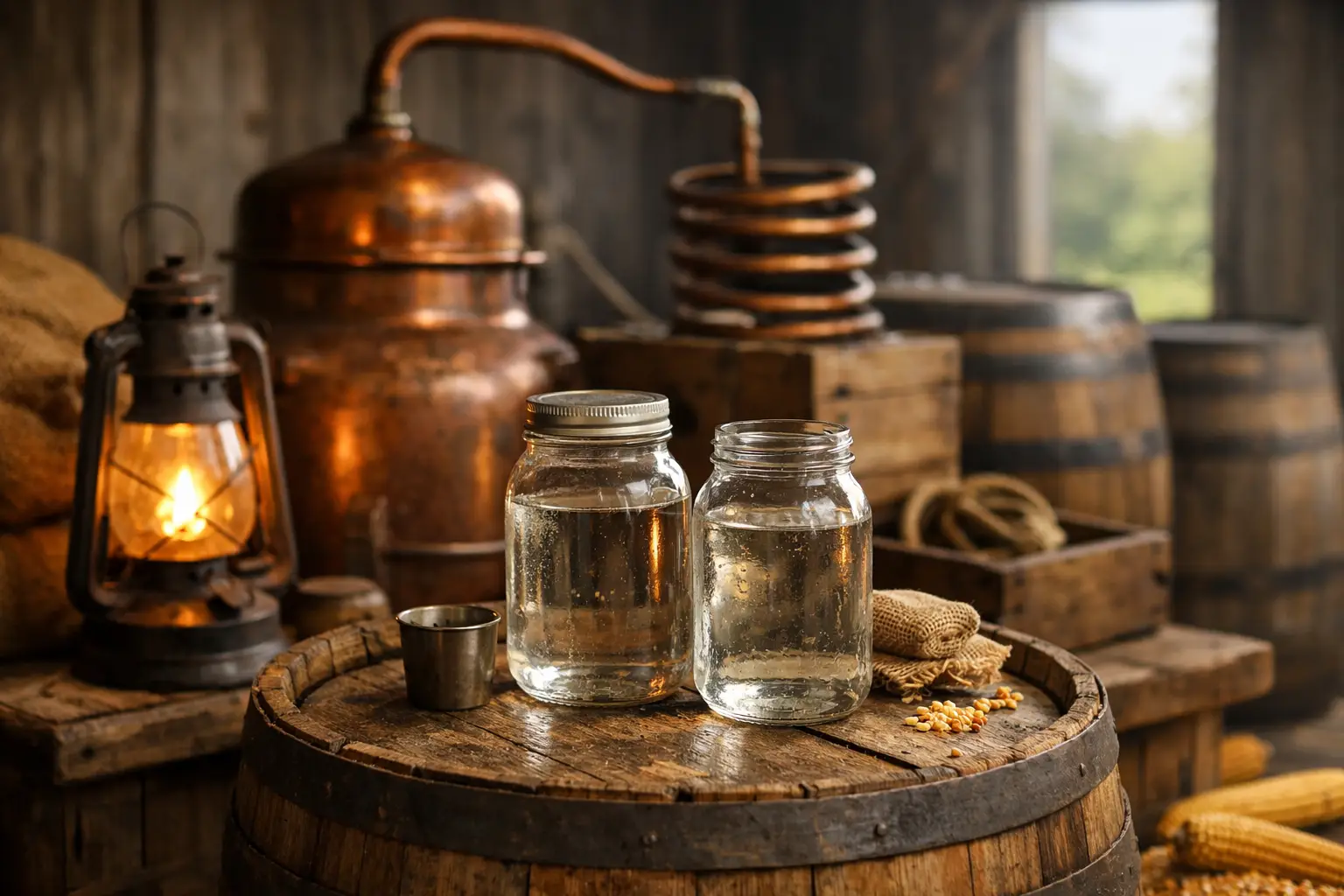
The folks who built their name around a still, a family recipe, a ridge line, or a hard-earned reputation do not need somebody to make them sound polished enough for a boardroom. They need somebody who can make the truth travel. That is what moonshine heritage marketing is about: taking the grit, pride, humor, history, and real-world reputation behind a brand and carrying it to the people who ought to know it.
For moonshiners, legal distilleries, country personalities, and heritage spirits brands, the story is not a decoration pasted on after the logo is finished. The story is the product. A jar may catch a customer’s eye, but the reason they remember it is the person, place, and tradition behind it.
Why Moonshine Heritage Marketing Has Its Own Rules
A generic agency can build a decent-looking website. It can schedule social posts. It can run an ad with clean graphics and trendy words. But if it does not understand why folks watch Moonshiners, why a handed-down recipe matters, or why a distiller’s local name carries weight, the work can come off hollow fast.
This community can smell fake from a mile away. It has seen enough costume-overalls branding, fake banjo music, and stock-photo “country” campaigns to know when somebody is playing dress-up. Heritage marketing has to start with respect. That does not mean every story needs to be serious or dusty. It means the voice has to belong to the people telling it.
The best work lets a brand be proud without acting bigger than it is. A small distillery does not need to pretend it is a national corporation. A personality with a loyal following does not need to talk like a press release. A backwoods event does not need its rough edges scrubbed out. Those rough edges may be exactly why people show up.
The Show Put Real Stories on a Bigger Stage
When Moonshiners came on Discovery, it gave viewers more than copper stills, backroad runs, and the question of whether the law might come rolling up the hill. It put characters and regional traditions in front of a national audience. Tim Smith, Tickle, Howard, Josh, Mark and Digger, Amanda, and many others became recognizable because viewers could see their personalities as well as their craft.
That visibility changed the conversation around moonshine culture. Fans wanted shirts, appearances, signed jars, recipes, photos, festival moments, and a way to keep up with the people they watched. Legal distilleries saw an audience that cared about heritage spirits. Creators saw that an honest voice could build a following far beyond one county or one state.
The show also showed the trade-off that comes with attention. A television moment can make somebody famous, but fame does not automatically build a lasting brand. Episodes end. Social platforms change. Search results get crowded. A personality or distillery needs a home base that tells the full story and gives fans a reason to come back.
That is where marketing stops being a one-time promotion and becomes useful work. It turns recognition into a website people can find, photos that capture character, video that holds attention, and content that keeps the conversation moving after the cameras leave.
Fame Gets Attention. Consistency Builds a Name.
A strong brand does not need to post every hour or chase every social-media trend. It needs a clear identity repeated often enough that people recognize it. The same voice should carry from a festival banner to an Instagram caption, from a product page to a podcast appearance.
For one client, that may mean leaning into old-school Appalachian roots and family knowledge. For another, it may mean big personality, comedy, hot rods, hunting, music, or the wild stories fans expect to hear at a meet-and-greet. There is no single moonshine look. The common thread is that it has to be true.
Start With the Story You Can Prove
Heritage is powerful, but it is not a free pass. Claiming a long tradition without details can feel as phony as a plastic mason jar. Good storytelling gets specific. Who taught you? Where did the business begin? What does the land, town, family, or crew mean to the work? What makes your process, flavor, event, or personality worth somebody’s time?
The strongest answers are usually sitting right in front of the brand owner. Maybe it is an old photograph. Maybe it is the first still they ever ran legally. Maybe it is a grandfather’s saying, a local legend, or the way the crew gets together before a festival. The job is not to invent a legend. It is to pull the real one out, document it well, and tell it in a way new fans can understand.
There is a line to walk here. Too much nostalgia can make a brand look stuck in the past. Too much polish can strip away the soul. The right balance respects where the brand came from while showing where it is headed. A distillery can honor tradition and still have a sharp online store. A moonshiner personality can tell old stories and still make videos built for today’s audience.
Put the Work Where Fans Can Find It
A good story trapped in somebody’s phone is not doing much for the business. Heritage needs a distribution plan, but it should fit the people and the budget behind it.
A clean website is the foundation. It should make it easy for visitors to understand who the brand is, what it offers, where it will be next, and how to get in touch. Search engine work helps people find that site when they are looking for a distillery, a festival guest, a speaker, merchandise, or a name they saw on television.
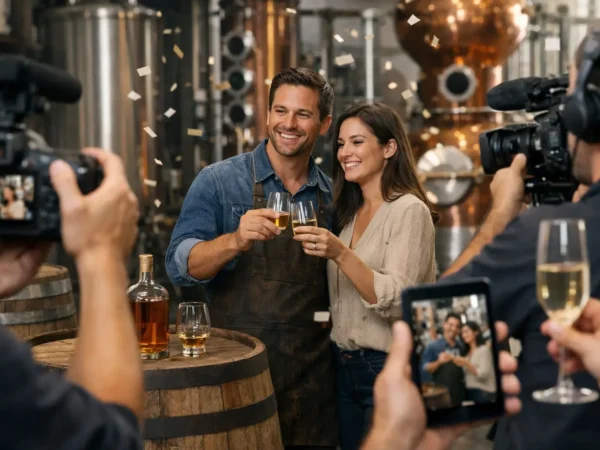
Photography and video do the heavy lifting when words alone cannot show the place. A good photo can catch the weathered hands, copper shine, wood smoke, crowd energy, and the grin after a long day. Video can put viewers in the room, on the property, behind the bar, or at the event gate. It is proof that the brand has a pulse.
Social media then gives that material a rhythm. Not every post has to sell. Some should make people laugh. Some should answer a question fans ask over and over. Some should show the crew setting up at an event or tell the story behind a bottle. When every post sounds like a sales pitch, people scroll on. When the page feels like a real place run by real people, they stick around.
For a brand building its presence, the practical pieces usually include these four jobs:
- A website that acts as the permanent home for the story, services, products, and event dates.
- Search-focused content that helps new customers find the brand without already knowing its name.
- Photo and video assets that look like the real operation, not a staged version of country life.
- Event coverage that catches the people, noise, personality, and proof of community around the brand.
None of those pieces work as well alone as they do together. Event footage can feed social posts. Social posts can send people to the website. The website can give reporters, promoters, and partners a clear picture of the brand. That is how a good weekend at a festival keeps working long after the tents come down.
Relationships Are the Part You Cannot Fake
In the heritage spirits world, introductions matter. So does showing up. A marketer who understands the culture knows that a handshake at a festival, a conversation by the trailer, and a reputation for doing what you said you would do carry real value.
That does not mean every collaboration is right for every brand. A celebrity appearance can bring a crowd, but it needs to fit the audience and the budget. A big video production can be worth it for a major launch, while a smaller distillery may get more mileage from consistent photography, local event coverage, and a website that finally works on a phone.
The point is not to copy the biggest names in the business. It is to build the kind of visibility that matches your next real goal, whether that is filling an event, getting wholesale attention, booking appearances, selling merchandise, or making sure fans can find you after they see you on TV.
Moonshiner Gary has spent time in this world with the people who made it visible, and that insider connection matters because the work starts from the culture instead of trying to imitate it. We Shinin’ is more than a catchphrase when the camera crew is gone and the brand still has to earn attention.
Your story does not need a fake legend, a fancy suit, or a pile of empty marketing talk. Give it clear photos, honest words, a place to live online, and enough steady work for the right people to find it. Then let the reputation you built out in the real world do what it has always done: carry your name farther down the road.



Comments are closed.