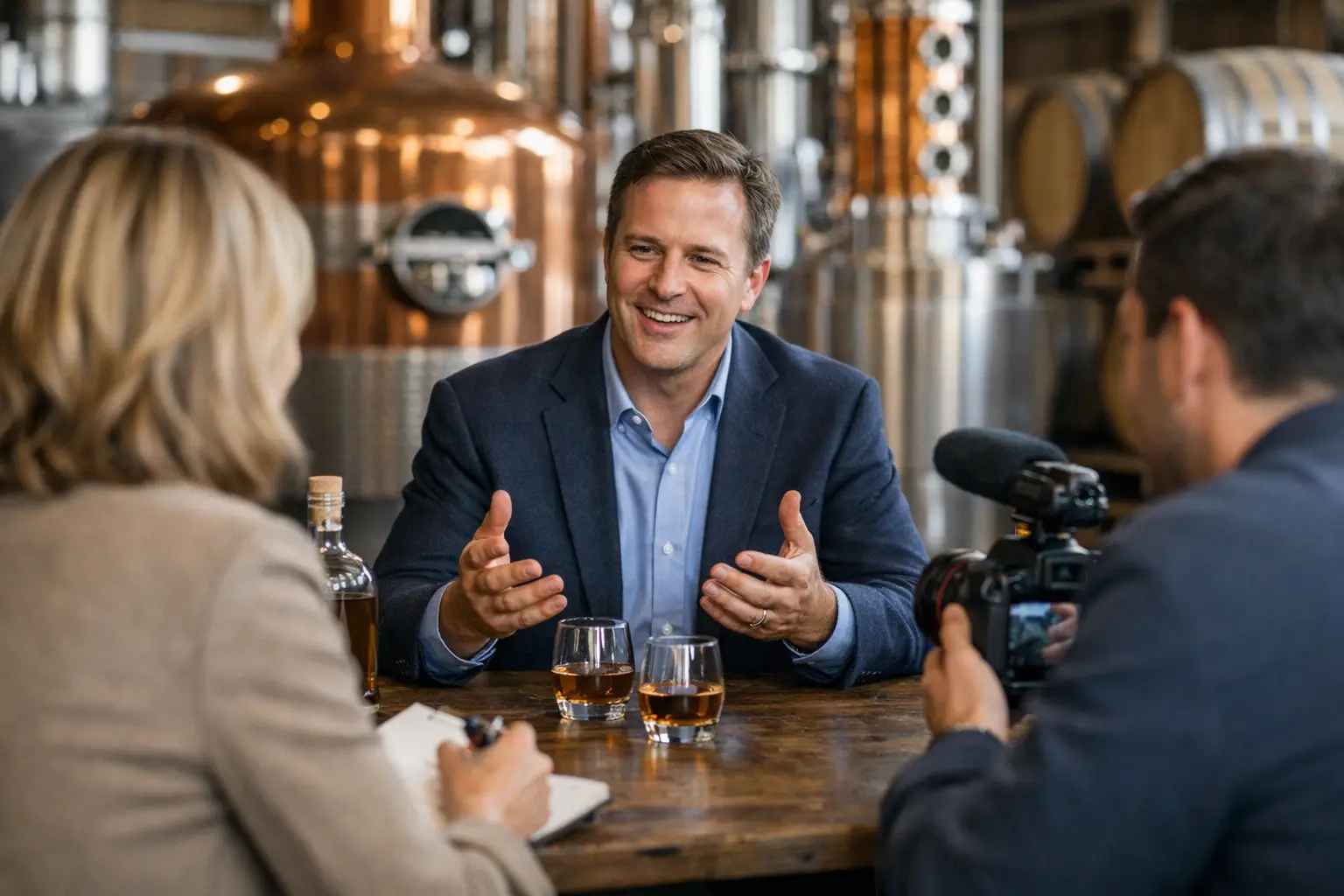
A still can make good liquor. A good story can make folks drive two counties over to taste it, ask for it at their local store, and remember the name when they see it on a shelf. That is what public relations for distilleries is really about: taking the hard work already happening in the stillhouse and carrying it into the conversations that matter.
For heritage spirits, that story cannot be made up in a boardroom. People can smell fake from a mile away, especially in moonshine, whiskey, bourbon, and backwoods brands built on family recipes, local grain, old equipment, and hard-earned know-how. The strongest PR does not try to polish away the rough edges. It finds the real ones worth talking about.
Public Relations for Distilleries Starts With the Truth
A reporter does not need another press release saying a distillery is “passionate” about quality. Every brand says that. They need a reason to care right now, along with a story their readers, viewers, or listeners will want to repeat.
That reason may be a fifth-generation family recipe made legal. It may be a new bottle built around local corn, a former tobacco farm finding a second life, a veteran launching a small-batch operation, or a distiller keeping regional techniques alive. It could be a seasonal release tied to a hometown festival, a charity bottling, or a milestone worth celebrating.
The key is specificity. A real detail beats a polished slogan every time. If your grandfather ran mash in the hills, say what he taught you. If your water comes from a spring on the property, show it. If the distillery is restoring an old barn or employing local folks, put faces and names to that work.
That is the lesson the Moonshiners audience has understood for years. When the show first put backwoods distilling stories in living rooms across America, people did not tune in for generic product claims. They tuned in for personalities, family history, ingenuity, risk, and the kind of pride that comes from making something with your own hands. Legal distilleries can carry that same pull when they tell the truth without turning it into a costume.
Build a Story Before You Chase Press
PR gets mistaken for sending emails to magazines. Press outreach matters, but it comes after the story is clear. Before contacting anybody, a distillery needs to know what it stands for beyond the bottle.
Start with a simple question: what would your community lose if this distillery disappeared tomorrow? The answer may be a gathering place, a local employer, a keeper of regional history, or the one place visitors can meet the people behind a heritage spirit. That answer gives your public relations work a backbone.
Then gather the proof. Good media materials do not need to be fancy, but they do need to be useful. Keep current professional photos of the founders, distillers, bottles, production space, tasting room, and events. Have a short origin story, accurate product details, approved brand language, and a few strong quotes ready to go. If a writer says, “Can you send photos in the next hour?” you should not be digging through somebody’s phone camera roll.
Video matters here too. A thirty-second clip of grain going into the mill, copper catching the light, or a founder telling the family story can do more than a page of copy. It gives local TV, social media followers, and event promoters something they can use immediately.
Earn Coverage With Something Worth Covering
The best PR pitches are not announcements disguised as news. They respect the outlet and offer a clear angle. A local newspaper may care about jobs, tourism, or a family business. A spirits publication may care about process, ingredients, distribution, or category trends. A country lifestyle outlet may want the people and heritage behind the label.
One story can have several angles, but it should not be blasted out the same way to everybody. A good pitch is personal, brief, and backed by real information. It says why this is timely, why it fits that particular audience, and who is available for an interview.
Timing can make or break it. Opening a tasting room, winning a meaningful award, releasing a limited batch, hosting a major event, expanding distribution, or partnering with another hometown business all create natural reasons to speak up. A random Tuesday with no news is harder, though not impossible, if the human story is strong enough.
There is a trade-off, too. Chasing national press can feel exciting, but steady hometown coverage often brings more people through the door. A feature in the local paper, a regional radio interview, or an event calendar listing may do more for tasting room traffic than a quick mention in a faraway outlet. Aim high, but do not overlook the folks who can actually visit, buy, and tell their neighbors.
Let the People Be the Brand
Distilling is a people business. Customers may come in asking for a whiskey, but they come back because they remember the distiller who explained the barrel program, the owner who shook their hand, or the story behind the label.
That means founders and team members need to be visible. Not every distiller has to become a camera-ready personality, but somebody should be comfortable speaking for the brand. Interviews work better when the spokesperson talks like a real human being instead of reading marketing copy. A little local language, a little humor, and an honest answer go a long way.
This is where relationship-based promotion beats generic marketing. Moonshiner Gary has worked alongside personalities such as Tim Smith, Tickle, Mark and Digger, Amanda, and others who understand that a recognizable name is not enough. The audience has to believe you. That belief comes from showing up, keeping your word, and letting people see the work behind the reputation.
For a distillery, that may mean hosting media during production, inviting community leaders to a release, appearing at regional festivals, or collaborating with local musicians, restaurants, farmers, and makers. The goal is not to borrow somebody else’s credibility. It is to build your own through real connection.
Make Every Win Work Harder
A news feature should not live for one day and disappear. When coverage lands, share it across your social channels, include it in an email update, mention it at the tasting room, and save it in a press section of your website. If someone says something strong about your brand, pull that quote into future materials with permission.
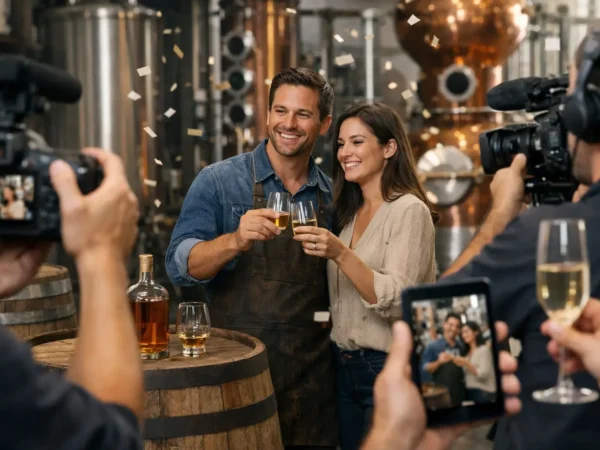
The same goes for events. A packed festival tent, a bottle signing, or a distillery anniversary can create weeks of useful content when properly covered. Get photos of the crowd, short interviews with fans, clean product shots, and video of the people behind the table. Those assets support future press pitches, social posts, website updates, and sales conversations.
Do not confuse activity with results. A pile of social posts is not automatically public relations. Measure what matters to your operation: tasting room visits, event attendance, newsletter signups, distributor inquiries, wholesale interest, media mentions, and website traffic after a story runs. Some results are immediate. Others build slowly as your name becomes familiar and trusted.
Stay True While You Grow
There is a fine line between telling a rugged heritage story and leaning so hard on it that the brand starts looking like a prop. If your distillery is legal, professional, and built for growth, be proud of that. You can honor the roots of moonshine culture without pretending your operation is something it is not.
That honesty matters especially with alcohol marketing. Know your state and federal rules, keep messaging responsible, and avoid claims that could create trouble with regulators or customers. Good PR should create attention, not headaches.
The distilleries that last are not always the loudest ones. They are the ones that give people a reason to care, then keep giving them reasons to come back. Tell the story that is already in your hands, show the work behind the bottle, and treat every customer, reporter, and neighbor like part of the long road ahead. We Shinin’ is more than a saying when the work is real.


Comments are closed.