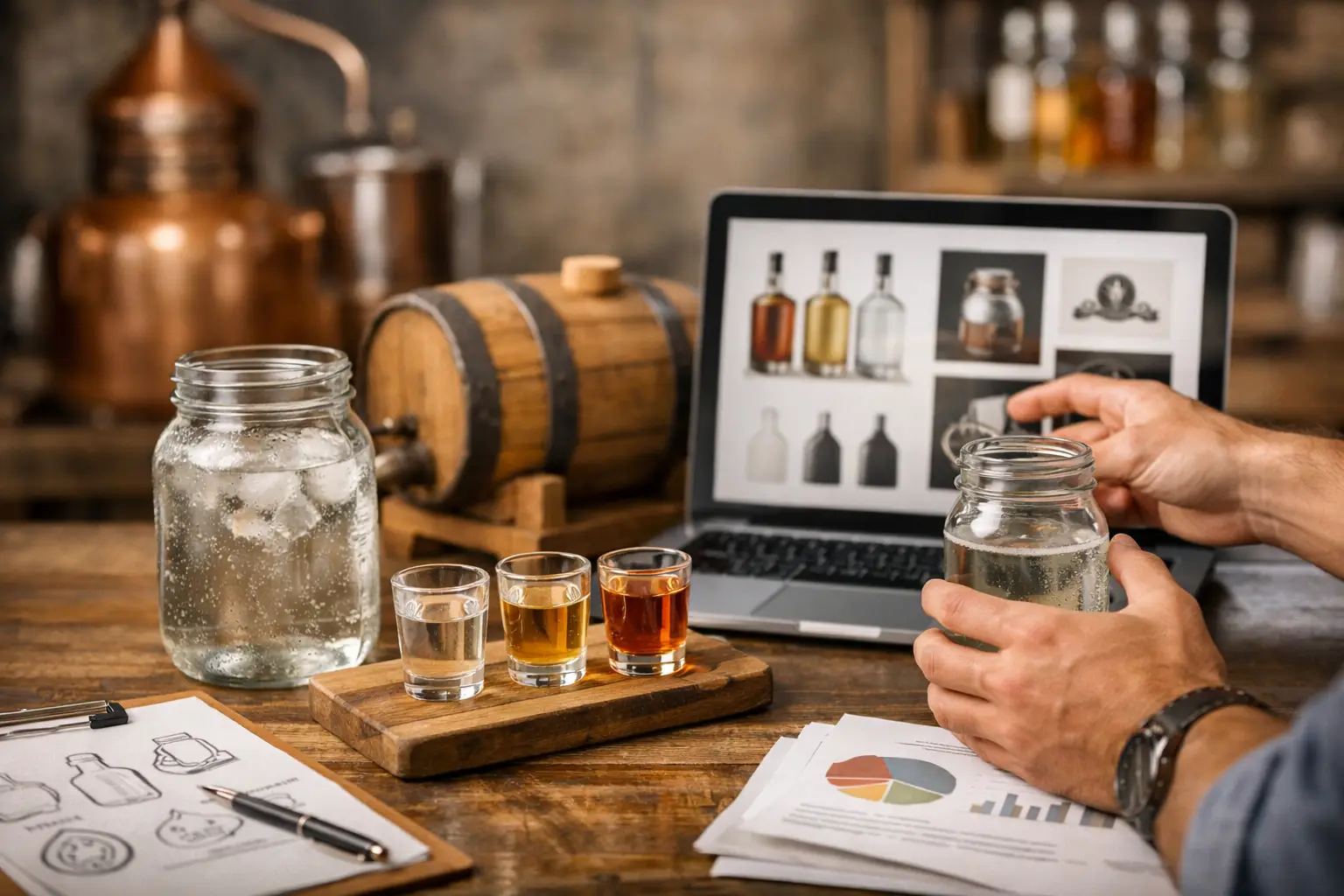
Back when Moonshiners first hit TV screens, folks tuned in for the outlaw story, the backwoods builds, and the personalities that felt larger than life without trying too hard. Tim Smith brought straight talk and innovation. Tickle brought mischief and loyalty. Mark and Digger brought chemistry, tradition, and that mountain humor people remembered long after an episode ended. What started as entertainment turned into something bigger – a whole audience hungry for heritage spirits, real stories, and the people behind them. That is where moonshine brand development stopped being a side thought and became real business.
Why moonshine brand development matters now
For years, a good reputation could travel by word of mouth, a handshake, and who vouched for you. That still matters. In this world, it matters a lot. But if your distillery, product line, event, or personal brand can’t carry that same credibility online, you’re leaving attention and money on the table.
The moonshine and heritage spirits crowd is different from a generic consumer brand audience. These folks can smell fake a mile away. They know when a logo was slapped together by somebody who has never stepped foot at a still site, a tasting room, or a backwoods festival. They know when social media sounds like it was written by a corporate office in a city that doesn’t understand the culture. Good moonshine brand development bridges that gap. It takes what people already trust about you in real life and makes it show up strong on a screen.
That means your website can’t just exist. It has to feel like you. Your photos can’t look staged to death. Your videos need grit, personality, and story. Your social media can’t be random flyers and bottle shots. It needs a voice people recognize. The best brands in this lane don’t just sell liquor, merchandise, or appearances. They sell belonging, legacy, and a piece of the story.
What Moonshiners changed for the whole industry
Before the show, moonshine had a strong legend but a narrower public image. A lot of people knew the folklore, but they didn’t know the makers as personalities with followings, business opportunities, and long-term brands. The series changed that.
Viewers didn’t just watch for the stills. They watched for relationships, rivalries, family ties, hard lessons, and that old tension between tradition and growth. That is why certain cast members built loyal audiences. It wasn’t only what they made. It was who they were. The strongest names from the show became proof that authenticity can carry a brand further than polished advertising ever will.
As the years rolled on, the industry around the show matured too. Legal distilleries leaned harder into heritage storytelling. Events started drawing fans who wanted photos, meet-and-greets, tastings, and a closer connection to the culture. Merchandise, branded content, appearances, and collaborations grew up around the personalities. That shift created a real need for professional promotion that still felt rooted in the hills, the hollers, and the people who built the culture.
Moonshine brand development starts with story, not graphics
A lot of folks think branding starts with a logo. Around here, it starts with your name, your reputation, your history, and what people say about you when you’re not in the room. Graphics matter, sure, but they are not the foundation.
If you are a distillery, your story may be tied to family recipes, local grain, a regional identity, or the reason you decided to go legal and scale up. If you are a public personality, your brand may come from your on-screen presence, your sayings, your craft, and the kind of fans who line up to meet you. If you run events, your story might live in the atmosphere you create and the names you bring together.
Once that story is clear, the media work gets sharper. Photography starts showing the right details. Video starts capturing the right moments. Website copy sounds like a real person instead of a brochure. Social posts stop blending in with every other bottle brand trying to look rustic.
That is the trade-off some people miss. If you over-polish a moonshine brand, you can strip out the very thing people came for. But if you stay too rough and unorganized, you can look small-time in a way that hurts growth. Good development finds the middle ground. It keeps the soul and cleans up the presentation.
What real development looks like in this business
In this industry, results come from visible work people can actually use. A proper website gives your brand a home base. It should show who you are, what you offer, where fans or buyers can find you, and why your story matters. It also needs to show up in search, because being well known in your county is one thing and being found across the country is another.
Social media should work like an extension of your personality, not a chore. That may mean behind-the-scenes clips, event recaps, still shots from the road, fan interaction, product storytelling, or short videos that sound like you and not some ad agency. The key is consistency. A dormant page tells people your brand is standing still.
Photography and video matter extra in moonshine culture because this is a visual world. Copper stills, mountain backdrops, old barns, mash, barrels, smoky cookers, festival crowds – these aren’t filler. They are proof. They tell people your brand has roots. Event media coverage does the same thing. If you host or attend a gathering and nobody captures it well, the moment fades fast. If it’s covered right, that one event can feed content for weeks.
Public relations also has its place, especially for launches, collaborations, appearances, and new releases. But PR works best when the rest of the brand is already in shape. If somebody hears your name and then finds a weak website, stale socials, and no clear message, the buzz dies quick.
Why insider credibility beats generic marketing
This business is built on relationships. That is true in the hills, at events, on set, and online. A generic agency may know ad terms, but that does not mean they know this audience. Moonshine fans and heritage spirits buyers respond to people they trust, names they recognize, and stories that ring true.
That is why insider experience matters so much. If you have worked around the personalities, the production style, the fan culture, and the event circuit, you understand the rhythm. You know that one photo can carry more weight than a polished campaign if it captures the right person, the right setting, and the right moment. You know that a testimonial from a respected figure in the community can open doors faster than a stack of empty claims.
That relationship side is what makes this niche different. Folks want somebody who can build the website, shoot the footage, manage the social media, and still speak the language of the culture. They want media support without losing their identity. That’s a big reason businesses and personalities in this lane look for people who have already stood shoulder to shoulder with the names audiences know.
The brands that win know when to grow up
There comes a point where raw popularity isn’t enough. Maybe your following grew after a TV appearance. Maybe your product got traction at festivals. Maybe people know your face, but your digital presence still looks half-finished. That is usually the moment to take brand development seriously.
Growing up does not mean selling out. It means making it easier for people to find you, book you, buy from you, and remember you. It means your visuals match your reputation. It means your online presence does justice to the work you already put in offline. It means when opportunity shows up, you are ready for it.
For some, that looks like a full website rebuild and better search visibility. For others, it means stronger video, better event coverage, and a social presence that finally has direction. It depends on where the weakness is. The right move is not always the flashiest one. Sometimes the biggest gain comes from fixing the basics and telling the truth better.
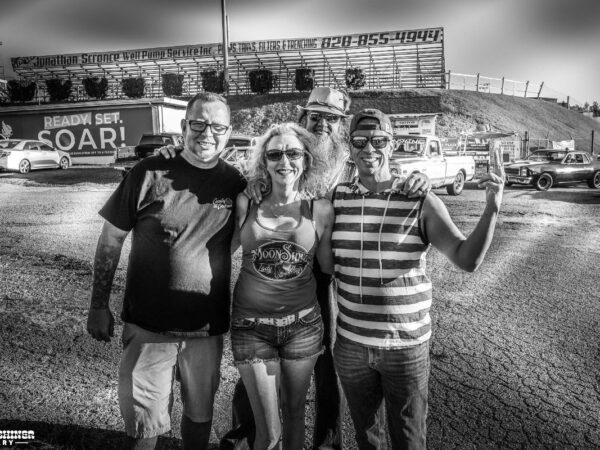
Moonshiner Gary has seen firsthand how powerful that can be when recognizable personalities, distilleries, and events get the right media behind them without losing what made people care in the first place.
The moonshine world has always run on story, grit, and who you know. The brands that last are the ones that respect that truth while showing up strong where today’s audience is actually looking. We Shinin’, and if your name carries weight in the real world, your brand ought to carry it online too.



Comments are closed.