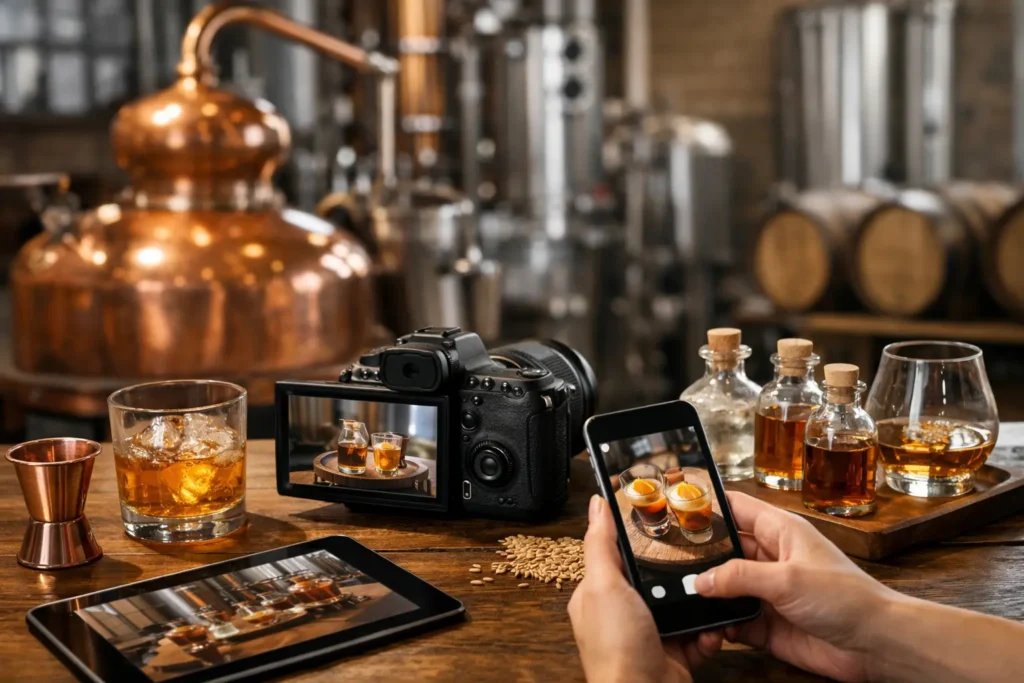
The best content ideas for distillery social media do not start with a bottle sitting on a clean white table. They start with the mash cooking, the still humming, the old family photo on the wall, and the person who can tell you why that recipe matters. Folks who follow heritage spirits can smell a fake story a mile away. Give them the real work, the real people, and a reason to pull up a chair.
A good social feed should feel like walking through the distillery on a busy Saturday: a little history, a little hard work, some good laughs, and something worth tasting. That does not mean every post needs a production crew or a big ad budget. It means your content needs a clear point of view. Make the audience feel like they know who is behind the label.
Start With the Story Behind the Still
Moonshiners helped put backwoods distilling culture in front of a national audience because the show was never only about what came out of the still. It was about characters, family names, old recipes, stubborn problem-solving, and the places that shaped the people making the liquor. Legal distilleries have the same opportunity. Your story may be polished for the public, but it should not be scrubbed clean of personality.
Tell the origin story in pieces instead of posting one long “about us” message and calling it done. Share the first batch photo. Let the founder explain what made them take the risk. Show the patch of ground, barn, warehouse, or hometown that gave the operation its start. A short video of a distiller holding an old recipe card can carry more weight than a month of generic product posts.
If your brand has no century-old family legend, do not manufacture one. Talk about the real reason you started: a love of good whiskey, a local grain farmer, a second-career gamble, or a desire to bring jobs and visitors back to town. Honest beats old-fashioned theater every time.
Content Ideas for Distillery Social Media That Feel Real
Put the process on camera
People are curious about how spirits are made, but they do not need a chemistry lecture every time. Film the grain being milled, the mash being stirred, barrels being rolled, labels going on, or a fresh run being proofed. A 20-second clip with the sound of the distillery working can stop a scroll better than a polished graphic.
Teach one small thing per post. Explain why copper matters. Show the difference between a new charred barrel and one that has held whiskey for years. Let the head distiller point out what they are looking for during a cut. Keep it plainspoken. The goal is to make followers feel smarter without making them feel talked down to.
Let your people carry the feed
A distillery is not a logo. It is the crew working before the doors open, the bartender pouring samples, the warehouse hand checking barrels, and the owner answering the same good questions at every event. Build recurring features around them.
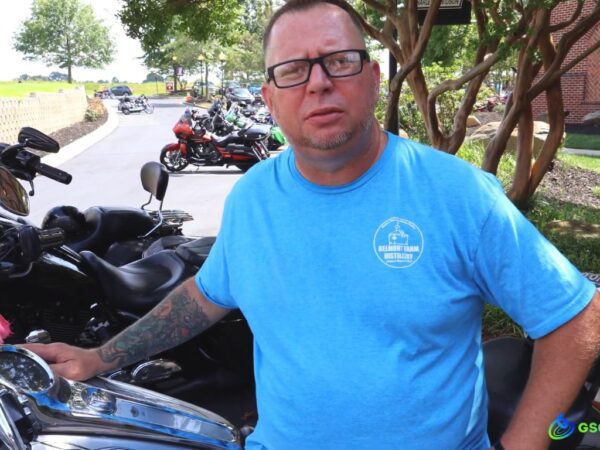
A weekly “Meet the Crew” post works when it goes beyond a job title. Ask what bottle they are proudest of, what song belongs in the tasting room, or what they learned from an older hand in the business. A little personality gives people a reason to remember a name and come say hello in person.
This is especially valuable for small operations. Big brands can buy reach. A local distillery can build familiarity. Familiarity is what turns a visitor into somebody who brings friends back next month.
Show the place, not just the pour
If your distillery sits in the foothills, on a farm, near a downtown main street, or down a gravel road worth driving, put that setting to work. Morning fog over the rickhouse, boots walking across the yard, a delivery truck rolling in, or the crowd gathering before a concert all tell the viewer where they are.
The backwoods lifestyle and heritage spirits crowd cares about place because place is part of flavor. A bottle made anywhere does not carry the same meaning as a bottle made right there. Capture the seasons, local landmarks, neighboring farms, and the characters who make your town what it is.
Bring old stories forward
History posts can get stiff in a hurry if they read like a museum plaque. Give them a pulse. Pair an old photograph with a present-day recreation. Ask an elder in the family or community to tell one story on camera. Show a tool, ledger, recipe, or family keepsake and explain how it connects to the brand today.
Be careful with moonshine history. Folks respect the grit and independence behind it, but do not glorify unsafe or illegal production. The smarter play is honoring the craft, regional traditions, and people who preserved knowledge through hard times while clearly showing the care and compliance behind your operation now.
Make events do more than fill a flyer
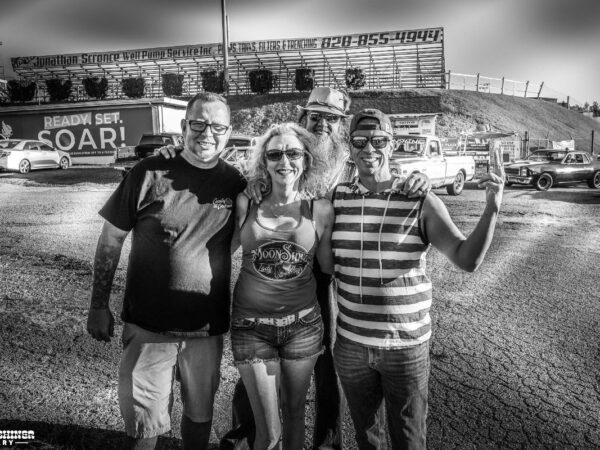
A festival, bottle signing, tasting, concert, or charity ride can create a pile of content if somebody is there to catch it. Do not wait until the event is over to post one group photo. Build anticipation with setup footage and a quick invitation from a recognizable face. During the event, share crowd moments, musician clips, vendor spotlights, and short guest reactions. Afterward, post the moments people missed and tag the community that showed up.
Event coverage needs a plan. A shaky video of a crowd may prove something happened, but it rarely tells a story. Decide ahead of time which people, moments, products, and local partners need to be seen. That is how one Saturday becomes several weeks of useful content.
Put customers in the story
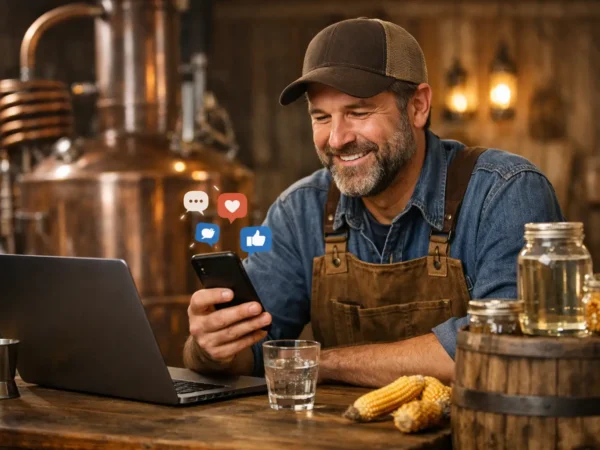
Your regulars are part of the brand. Ask visitors to share photos from the tasting room, feature a responsible toast from a local supporter, or post a favorite cocktail made with your spirit. Repost with permission and give credit. People trust people, especially when deciding whether a new place is worth the drive.
Do not force every customer post into a sales pitch. Sometimes the best caption is simply, “These folks drove in from two counties over and stayed for the live music.” That kind of social proof feels earned.
Build a Feed With Some Rhythm
Random posting burns out the person holding the phone and confuses the audience. Give your feed a repeatable rhythm, then leave room for the unexpected. One week might include a process video, a crew feature, an event reminder, a customer moment, and a bottle or cocktail post. That balance keeps the brand from looking like a nonstop commercial.
Product posts still matter. You are running a business, after all. Just give the bottle a job to do. Show where it belongs: beside a grill, at a tailgate, on the porch after a long week, or in a simple drink made by someone from your crew. Be mindful of platform rules, age-gating requirements, and responsible-consumption language. A strong heritage brand knows how to have fun without acting careless.
Short-form video should be a regular part of the mix, but not every video has to chase a trend. Trends can bring reach, yet they can also make a proud, regional brand look like it is trying too hard. Use a trend only when it fits your voice. The sound of a barrel bung popping, a still house door opening, or a straight-shooting founder telling a story can do plenty on its own.
Turn One Distillery Day Into a Month of Posts
The practical answer for busy owners is batch creation. On a production day, capture vertical video of the work, portrait photos of the crew, close-ups of equipment, a few product shots, and one or two short interviews. From that single visit, you can create process clips, staff features, educational posts, event graphics, and website-ready images without asking the team to stop work every other day.
That is where professional photography and video make a difference. Good content should still feel rough around the edges when the brand calls for it, but “authentic” is not the same thing as dark, blurry, and hard to hear. The right media crew knows when to let the mud stay on the boots and when to make sure the label, faces, and story come through clean.
At Moonshiner Gary, that balance comes from working around the people and places that made Moonshiners culture recognizable in the first place. The content has to look good, sure, but it also has to sound like it belongs there.
Your next post does not need to sell a bottle. Let it show the hand that filled it, the place that made it possible, or the neighbor who came through the door. Keep telling the truth about the work, and the right people will keep following the trail back to your distillery.


Comments are closed.