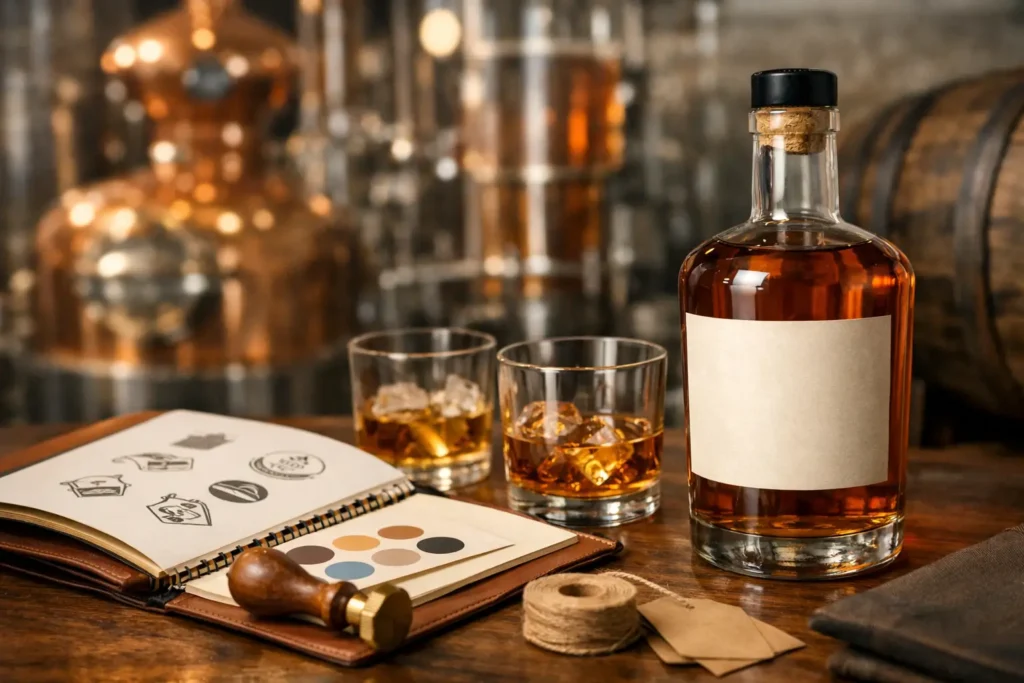
A good bottle can get somebody to try you once. A strong story gets them to remember your name, ask for you again, and bring a friend next time. That is the real work of branding for distilleries, especially in a world where shelves are crowded, social feeds move fast, and plenty of brands all claim heritage, grit, and authenticity.
Around the moonshine and heritage spirits world, people can spot fake from a mile away. That has always been true. Long before every small batch label started talking about family recipes and handcrafted tradition, folks in these hills already knew the difference between a real story and a polished imitation. That is why branding in this business is not just design work. It is reputation, personality, history, and proof.
If you have watched the rise of Moonshiners over the years, you have already seen this play out in public. What started as a show about outlaw craft, hidden stills, and backwoods ingenuity became something much bigger. The personalities mattered as much as the product. Tim Smith did not connect because he looked like a corporate spokesman. Tickle did not build a following because somebody gave him a perfect slogan. Mark and Digger did not become fan favorites by acting polished. People showed up because they felt like they knew them. The story, the voice, the place, and the people all worked together.
That is the lesson a lot of distilleries miss. They put energy into equipment, production, compliance, distribution, and events, then treat branding like the label is the whole job. It is not. The label is just one handshake.
Why branding for distilleries is different
Distilleries are not selling a generic product. Even when two brands make the same category of spirit, buyers are choosing a point of view. They are choosing whether your bottle feels old-school or modern, outlaw or refined, local or national, family-rooted or celebrity-backed. That choice starts before the cork comes out.
Branding for distilleries has to carry more weight because spirits are emotional purchases. A customer might buy vodka on habit, but when they buy moonshine, bourbon, rye, or a flavored corn liquor with a story behind it, they are buying identity too. They want something they can talk about. Something they can bring to deer camp, a tailgate, a festival, or a backyard cookout and say, you have got to hear about these folks.
That means your brand has to answer a few things clearly. Who are you. Where are you from. Why do you make it this way. Why should somebody believe you. If your website, social pages, bottle design, photos, and videos all answer those questions differently, people feel the disconnect even if they cannot explain it.
The Moonshiners effect on distillery branding
Moonshiners changed the way a lot of Americans look at legal distilling, heritage spirits, and Appalachian craft. The show gave faces to the process. It made the public care about tradition, technique, region, and personal legacy. It also raised the bar.
After years of seeing real personalities on screen, audiences expect more than stock photos and canned copy. They want to know who is behind the still, what the family history is, what the land means, and what kind of life produced the bottle in their hand. That does not mean every distillery has to act like a TV show. It does mean the human side matters more now than it used to.
Some brands lean too hard on that lesson and go full costume. That is a mistake too. There is a difference between being rooted in culture and playing dress-up with it. If your branding looks like it came from a boardroom trying to imitate backwoods credibility, the people you want most will feel it right away.
The sweet spot is honest storytelling with clean execution. Real photos. Real people. Real voice. Strong visuals. A site that works. Social content that sounds like you. Video that captures the atmosphere, not just the bottle. That is where trust gets built.
What strong branding for distilleries really includes
A lot of folks hear branding and think logo first. Sure, a logo matters. Packaging matters. Naming matters. But if the story is muddy, nice design only hides the problem for a little while.
Strong branding for distilleries starts with positioning. Are you the local legacy brand with roots in the hills. Are you the outlaw-inspired brand with a bold personality. Are you a serious craft operation focused on process and quality. Are you an event-driven destination with tourism appeal. Maybe you are a mix, but you cannot be everything at once.
From there, everything else should line up. Your photography should look like your world. Your videos should sound like your people. Your website should make it easy for somebody to understand what you make, where to find it, and why your story matters. Your social media should not feel like it was handed off to somebody who has never stepped foot in a rickhouse or stood around a still.
That is where a lot of distilleries get stuck. Their real-world reputation might be solid, but online they look flat, inconsistent, or half-finished. In this business, that gap can cost you retail interest, event bookings, media attention, and direct customer loyalty.
Story first, polish second
The best branding does not scrub away personality. It sharpens it.
If your founder has a strong voice, use it. If your location is part of the story, show it. If your family history shaped the recipe or the business, tell that story straight. If your crowd knows you from festivals, tastings, races, hunting expos, or TV appearances, build that into the brand instead of pretending you are some faceless premium label.
There is a trade-off here, and it depends on where you want to grow. If you lean too far into regional identity, you may hit a wall with buyers who want broader appeal. If you sand all that off to look national, you can lose the exact character that made people care in the first place. Good branding finds the line. It keeps your backbone while making the business easier to understand and easier to buy from.
That might mean tightening your message without cleaning it up so much it stops sounding like you. It might mean better product photography without losing the rough edges of your environment. It might mean bringing in stronger video, SEO, and content support so the digital side finally matches the energy people feel when they meet you in person.
Visibility is part of the brand
A distillery can have a great story and still stay invisible. That happens every day.
If your website is outdated, if your search presence is weak, if your social media is hit-or-miss, your brand is not reaching its full weight. People often separate marketing from branding, but in this world they run together. The way you show up online tells people how serious you are, how active you are, and whether your operation feels alive.
That is one reason relationship-based promotion works so well in the moonshine and heritage spirits lane. This audience still trusts people more than polished campaigns. They respond to names they know, faces they recognize, events they have attended, and stories that feel lived in. When the content is built by somebody who understands the culture, not just the software, it lands differently. That is where insiders have an edge, and it is why names with real roots in this community can help a distillery look like itself instead of a copy of somebody else.
The brands people remember feel personal
Think about the spirit brands folks talk about around a fire, at a car show, or after a tasting. Usually it is not just the flavor. It is the man behind it, the family behind it, the episode they remember, the photo they saw, the event they attended, or the story they heard from somebody they trust.
That kind of branding is not accidental. It takes clear message work, good media, and consistency over time. It takes knowing what parts of your story deserve the spotlight and what parts need to be cut loose. Not every detail is brand material. The right details are.
If you run a distillery, ask yourself a hard question. Does your current brand feel like your real operation, or does it feel like a placeholder until somebody gets around to doing it right. Most people know the answer as soon as they look at their homepage, their label line, and their last month of social posts.
You do not need a fake image. You need a true one that is presented well. That is a different thing entirely.
There is a reason the strongest names in this world stick. They are not just selling liquor. They are selling memory, place, and personality in a way people can feel. Get that right, and your brand starts working long after the bottle leaves the shelf. We Shinin’.



Comments are closed.