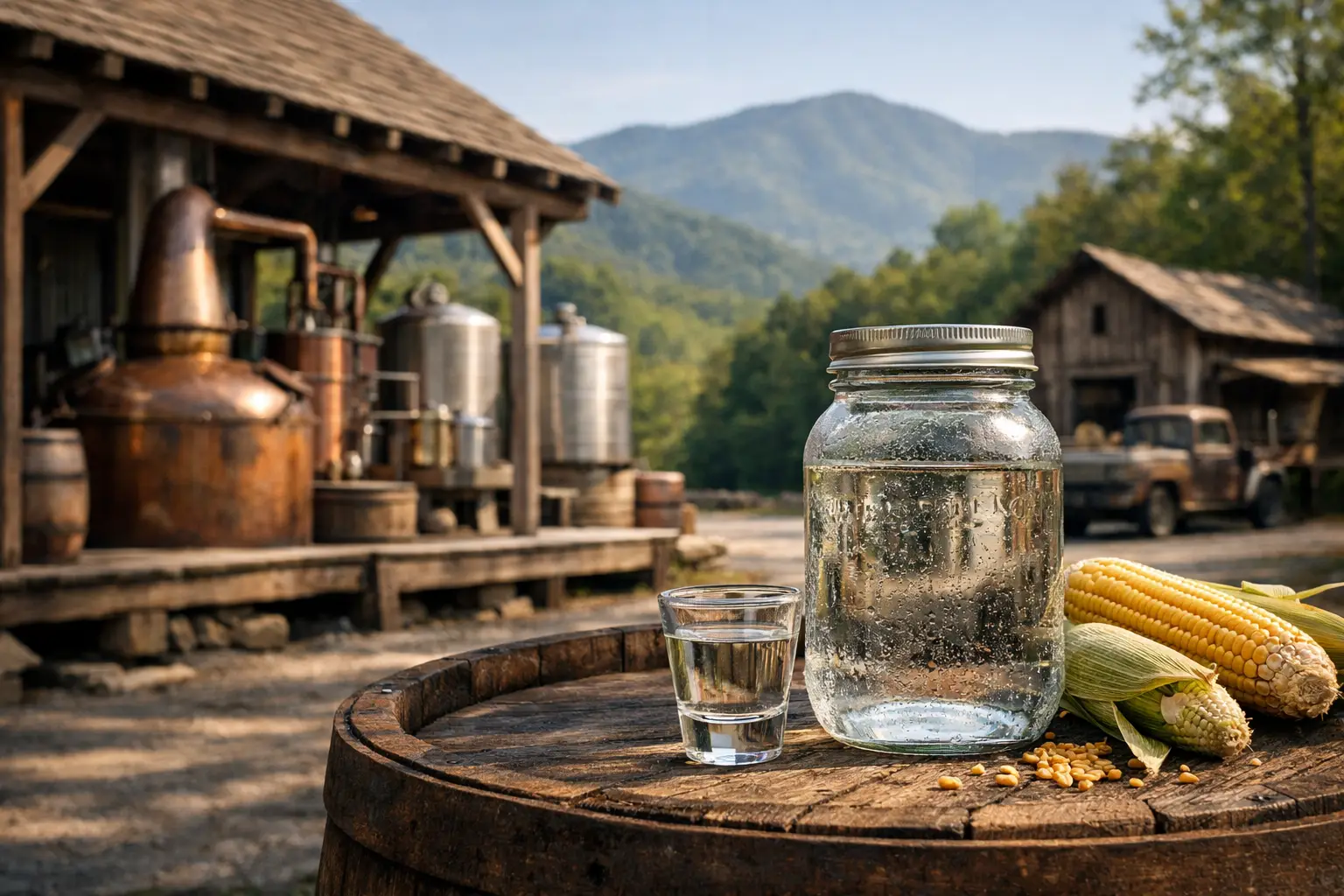
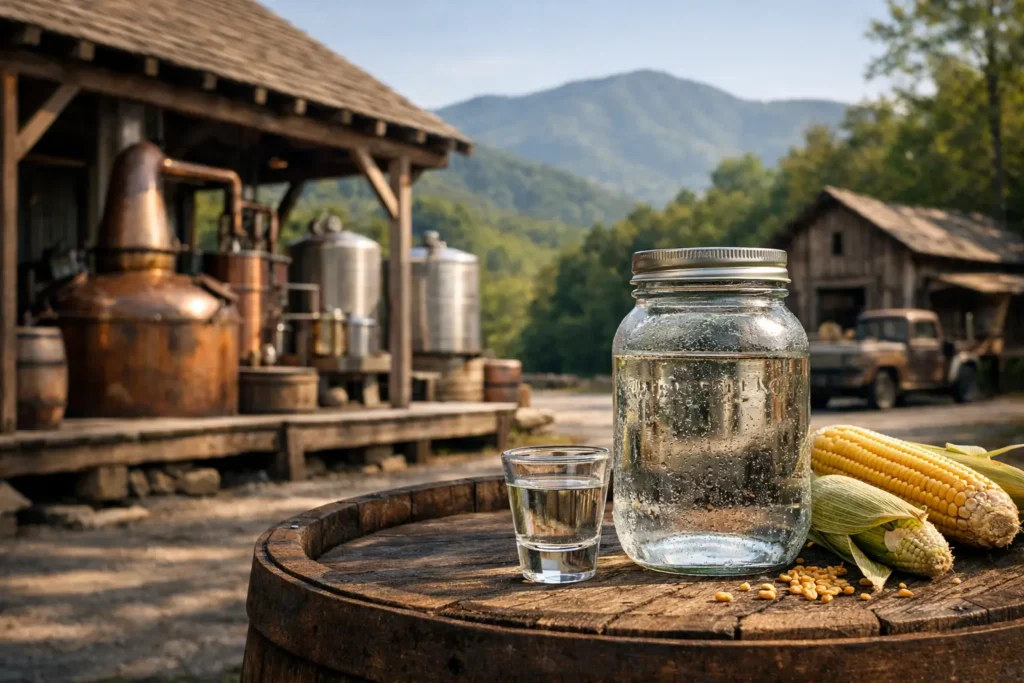
Sugarlands Distilling Company sits in a place where moonshine history is more than a label on a jar. In Gatlinburg, Tennessee, the old stories of mountain stills, family recipes, and hard-earned Appalachian pride meet a legal, public-facing distillery built for a new generation of spirits drinkers. That balancing act is exactly why the name carries weight with folks who love heritage liquor, Smoky Mountain culture, and the bigger moonshine scene.
For anybody who has watched Moonshiners over the years, the appeal is easy to understand. The show did not invent backwoods distilling culture, but it put a national spotlight on the people, skills, personalities, and family traditions that had long lived outside the mainstream liquor business. Sugarlands became part of that larger movement by giving visitors a place to taste, talk, learn, and take home a piece of Tennessee shine culture.
What Makes Sugarlands Distilling Company Stand Out
A lot of distilleries can make a good product. Fewer can turn that product into an experience people remember after the vacation ends. Sugarlands has benefited from its Gatlinburg location, where foot traffic, tourism, mountain scenery, and a steady appetite for local stories all come together.
The distillery’s strength is not just the word “moonshine.” That word gets used plenty these days, sometimes by brands with no real connection to the people or places that gave it meaning. The stronger play is making the customer feel close to the culture: the flavor, the names, the local attitude, the tasting room energy, and the sense that this is Tennessee-made fun with roots underneath it.
That matters because heritage spirits are emotional purchases. Somebody may pick up a bottle because it tastes good, but they also want the story. They want to remember a Gatlinburg trip, a weekend in the Smokies, a first date, a family reunion, or the friend who brought a jar to the cookout. The right brand gives that memory a handle.
Gatlinburg Is Part of the Product
Location does some heavy lifting in the spirits business, especially when the town itself is part of the draw. Gatlinburg gives Sugarlands a built-in connection to the Great Smoky Mountains and the tourist traffic rolling through East Tennessee all year long. Visitors are already looking for food, music, souvenirs, scenery, and a little local flavor. A distillery that knows how to welcome them has a real advantage.
But tourism can cut both ways. A packed tasting room may create strong sales on a Saturday, yet long-term loyalty takes more than a quick pour and a photo. That is where a recognizable identity, consistent product presentation, social media, event coverage, and a clear brand voice become important. The bottle has to travel well after the visitor heads home.
From Moonshiners TV to a Wider Spirits Audience
When Moonshiners premiered in 2011, it gave viewers a look at a world many had heard about but never seen up close. Audiences watched familiar names build stills, chase recipes, work difficult terrain, argue over ingredients, and protect family knowledge. The show mixed real regional identity with big personalities, and that formula gave moonshine culture a much wider audience.
Over the years, the cast became part of the conversation around legal distilling, merchandising, appearances, collaborations, and modern country lifestyle branding. Viewers who knew Tim Smith, Tickle, Mark and Digger, Josh, Amanda, Howard, and other familiar faces did not just want an episode. They wanted to follow the people behind the stories.
That shift changed the business. A moonshiner personality could become a public figure. A regional recipe could become a legal product. A distillery could become a destination. And a jar of flavored shine could become a gateway for consumers who might not have started with straight whiskey or traditional clear corn liquor.
Sugarlands has operated in that same public conversation, where television recognition, tourism, and spirits branding meet. It is a reminder that visibility has value, but only if the brand can back it up with a real customer experience. Folks can smell fake from a mile away. In this business, polish works best when there is still some dirt under the boots.
The Difference Between a TV Moment and a Real Brand
Television can make a name famous fast. It cannot, by itself, build a lasting business. The brands that keep growing after the cameras leave are the ones that treat attention like a starting point, not the finish line.
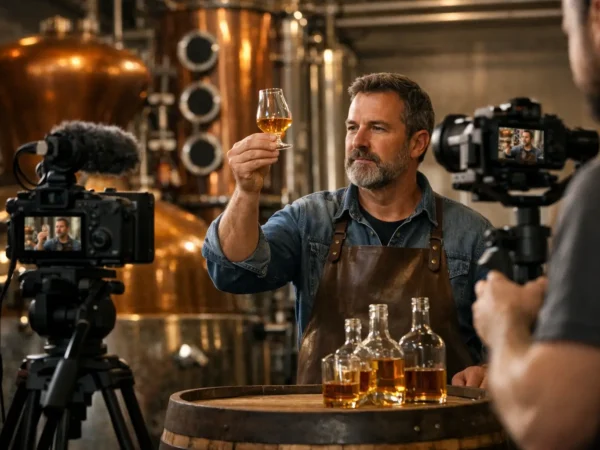
For a distillery, that means the website needs to tell the story clearly. Product photos need to look like the real thing, not a catalog from some office park. Videos need to capture people, place, sound, and personality. Social posts need to do more than repeat a sales line. They should give customers something worth sharing: a behind-the-scenes look, a real voice from the team, an event moment, a recipe tradition, or a piece of local history.
That is the lesson for every heritage-driven brand, whether it is a legal distillery, a country music personality, a small-batch food company, or an outlaw-style event. Your reputation in the field is valuable, but it needs a home online. If customers cannot find it, understand it, or feel it, somebody else will get their attention first.
Why Flavor Helps Bring New Drinkers In
Traditionalists may come looking for a clean, bold, straightforward spirit. Plenty of other customers are looking for something sweeter, smoother, seasonal, or easy to share. That is where flavored moonshine and cream-style spirits have helped bring more people into the category.
There is a trade-off, of course. Too much focus on novelty can make a brand feel like a gimmick. Too much focus on tradition can leave new drinkers intimidated. The best distilleries make room for both. They respect the old-school drinker who wants a serious pour while giving a first-time visitor an approachable way to join the party.
Sugarlands’ place in the market shows how broad the audience can be. The customer base is not only made up of moonshine purists. It includes tourists, collectors, gift buyers, country fans, cocktail drinkers, and folks who simply want a story with their bottle. A smart brand speaks to all of them without losing its center.
What Other Distilleries Can Learn From the Sugarlands Model
The biggest takeaway is not that every distillery needs a storefront in Gatlinburg or a television connection. Most do not. The takeaway is that a spirit brand needs a clear reason for people to care beyond alcohol percentage and package design.
Start with the truth of the operation. Maybe it is a family recipe, a local grain source, a historic building, a founder with a real story, or a community event that brings people together. Then show that truth consistently. Do not slap “heritage” on a label and call it done. Put faces on the brand. Document the work. Let customers see the process, the place, and the people who keep it moving.
A good media plan supports that work. Professional photography makes products look shelf-ready. Video captures the personality that still images cannot. Search-friendly website content helps people find the brand when they are planning a trip or looking for a particular bottle. Event coverage keeps the momentum going after the tents come down and the crowd heads home.
At Moonshiner Gary, that is the side of the business we know firsthand. Real relationships in the moonshine and distilling community help turn a strong story into content that feels lived-in, not manufactured. Ain’t no fun if we don’t get none, but it also takes steady work to make sure the right people see what you are building.
Sugarlands Distilling Company proves that mountain heritage can grow into a modern spirits name without throwing the old stories away. For distillers and personalities building their own lane, the useful move is simple: keep the roots visible, keep the people close, and give folks a reason to carry your story home with them.



Comments are closed.