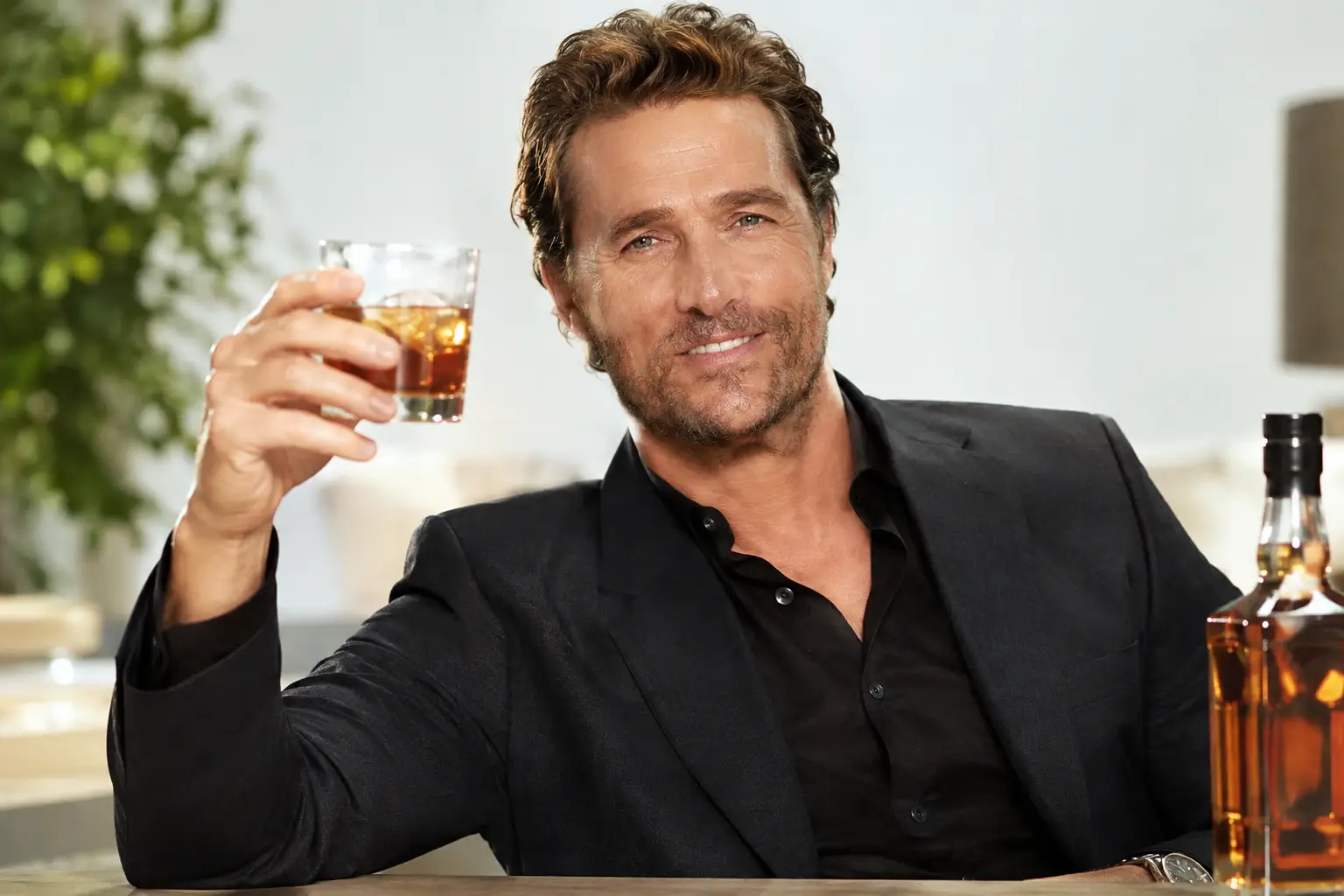
A famous face can get a bottle noticed. It cannot make a bad story taste better, keep a weak product on the shelf, or turn borrowed attention into a real following. That is the hard truth behind celebrity spirits marketing trends right now. The brands winning are not merely renting star power. They are putting a recognizable personality beside a product, a place, and a reason to believe.
For the moonshine, whiskey, and heritage spirits crowd, that difference matters. Folks can smell a fake from a mile down the road. They know when a celebrity has never set foot near the still, never met the distiller, and could not tell you what is in the jar beyond the label. But give them a true story, a quality pour, and somebody willing to show up for the people buying it? Now you have something worth talking about.
Celebrity spirits marketing trends are getting more real
The first wave of celebrity alcohol brands often ran on name recognition. Put a musician, athlete, actor, or TV personality on the label, buy some polished photos, and let the press do the rest. That approach still creates a launch-day pop. It can bring distributors to the table and put a new bottle in front of buyers who might otherwise never see it.
But attention has gotten expensive, and audiences have gotten sharper. They want to know what a personality actually does for the brand. Is that person helping shape the flavor? Are they telling the family history behind the recipe? Do they visit the distillery, pour at events, and stand behind the folks making the product? Or is their role finished once the camera stops rolling?
The answer does not have to be that every celebrity is a master distiller. Most are not, and pretending otherwise usually makes things worse. The better move is to be honest about the role. A TV moonshiner might bring hard-earned credibility, a storyteller’s voice, and a relationship with fans who already care about Appalachian tradition. A musician might bring a lifestyle audience and a reason for new drinkers to try a heritage-style spirit. Honest partnership beats costume-party authenticity every time.
What Moonshiners taught the spirits business
The long-running Moonshiners story gave viewers something many alcohol campaigns forget to offer: people worth following before there was ever a sales pitch. Across seasons, fans watched Tim Smith, Tickle, Mark and Digger, Josh, Amanda, Howard, and others chase recipes, solve problems, protect family traditions, and argue over the right way to make a run.
The show did not work because every moment looked perfect. It worked because the personalities had grit. There were backwoods builds, busted plans, old-school know-how, jokes that landed sideways, and a whole lot of pride in making something by hand. Viewers built relationships with the cast over time. When a personality later appears at an event, launches merchandise, supports a legal brand, or tells the story behind a product, fans are not meeting a stranger in an advertisement. They already know the voice.
That is a lesson for any spirits company considering a public-facing partnership. The most valuable celebrity is not always the person with the largest follower count. It may be the one whose audience trusts them enough to listen, travel to an appearance, share a video, and put money on the bar.
Trust is slower to build than reach, but it holds up better when the campaign ends.
The personality must fit the pour
A partnership should feel natural before it ever becomes profitable. A backwoods, outlaw, country, or blue-collar personality can make sense for moonshine, bourbon, flavored whiskey, or a heritage-driven ready-to-drink product. That same person may be a poor fit for a luxury bottle positioned around velvet ropes and bottle service.
There is no shame in a polished product, either. The trouble starts when the brand tries to wear somebody else’s boots. Every piece of the presentation has to pull in the same direction: the liquid, package, price point, photography, events, social content, and the personality standing behind it.
A jar with a handmade look needs more than a staged photo against a barn door. Show the ingredients, the process, the people, and the place. If the story is about family recipes, let the family speak. If it is about a TV personality’s journey, show the road that got them there. That is how a label becomes a brand people remember.
The shelf is only the starting line
A celebrity announcement can earn press. A good launch video can pull a crowd. Neither one is the whole job.
Spirits marketing now has to connect the digital world to the real-world pour. A fan sees a personality on Facebook, TikTok, Instagram, YouTube, or television. Then they need an easy path to understand the product, find a tasting, see the distillery, meet the team, and recognize the bottle when they walk into a store. If any part of that chain is weak, interest leaks out fast.
This is where small distilleries often get stuck. They may have a respected local name and a strong product, but an outdated website, scattered photos, and social pages that only wake up when a new flavor drops. Meanwhile, a larger brand with less soul is posting consistently, filming every event, collecting customer content, and giving distributors clean material to share.
The fix is not to copy corporate liquor ads. It is to document what is already real. Capture the bottling day. Film the personality talking about why a recipe matters. Take proper product photos that retailers can use. Build a website that tells visitors who you are in the first few seconds. Follow up after a festival while the crowd is still talking.
Moonshiner Gary has seen that firsthand while helping personalities turn their public recognition into stories, media, and brands that have somewhere to go after the episode ends.
Short video is the campfire now
The strongest celebrity spirits content does not always look like a commercial. Often it looks like a quick conversation beside a truck, a behind-the-scenes taste test, a bottle signing, or a distiller explaining why one batch came out different from the last.
That does not mean every video should be rough. Bad sound, dim footage, and confused messaging can make a real brand look careless. The goal is professional without scrubbing away the personality. A good editor knows when to keep the laugh, the accent, the work boots, and the imperfect moment that proves nobody is reading from a script.
The most useful content usually answers one clear question: Who is this person? Why this spirit? What makes this bottle worth trying? Where can people meet, taste, or buy it? Spread those answers across a steady run of short clips instead of trying to cram everything into one glossy launch film.
Events turn followers into regulars
For heritage spirits, face-to-face appearances still beat a thousand generic posts. A bottle signing, store tasting, distillery open house, festival booth, or charity ride lets the audience test whether the story feels true. It also creates the raw material for months of marketing: photos with fans, video testimonials, reaction shots, local media moments, and a reason for people to tag their friends.
There is a trade-off. Celebrity appearances cost money, require planning, and can disappoint if the product is not available where the event happens. Before booking a big name, make sure the inventory, retailer relationships, signage, staff, and follow-up content are ready. A packed tent is great. A packed tent where nobody can find the bottle next week is a missed opportunity.
Build the brand beyond one famous name
The smartest celebrity-led spirits brands prepare for the day the personality is not in every post. The founder or celebrity may open the door, but the product needs its own legs. That means a clear brand voice, recognizable visual identity, an email list, a working website, retailer support, and stories that include distillers, team members, customers, and the community.
It also means protecting the partnership. Put expectations in writing. Decide who approves content, who attends events, how often the personality participates, and what happens if public attention changes. Relationships matter in this business, but clear agreements keep good relationships from getting bent out of shape.
Celebrity is gasoline, not the engine. It can make a fire catch fast, but it will not keep it burning without quality, consistency, and people who believe in what is being poured.
The best next move is usually not louder marketing. It is a truer story, told often enough and well enough that when somebody sees your bottle on a shelf, they already feel like they know where it came from. That is how you turn a familiar face into a brand with staying power. We Shinin’.


Comments are closed.