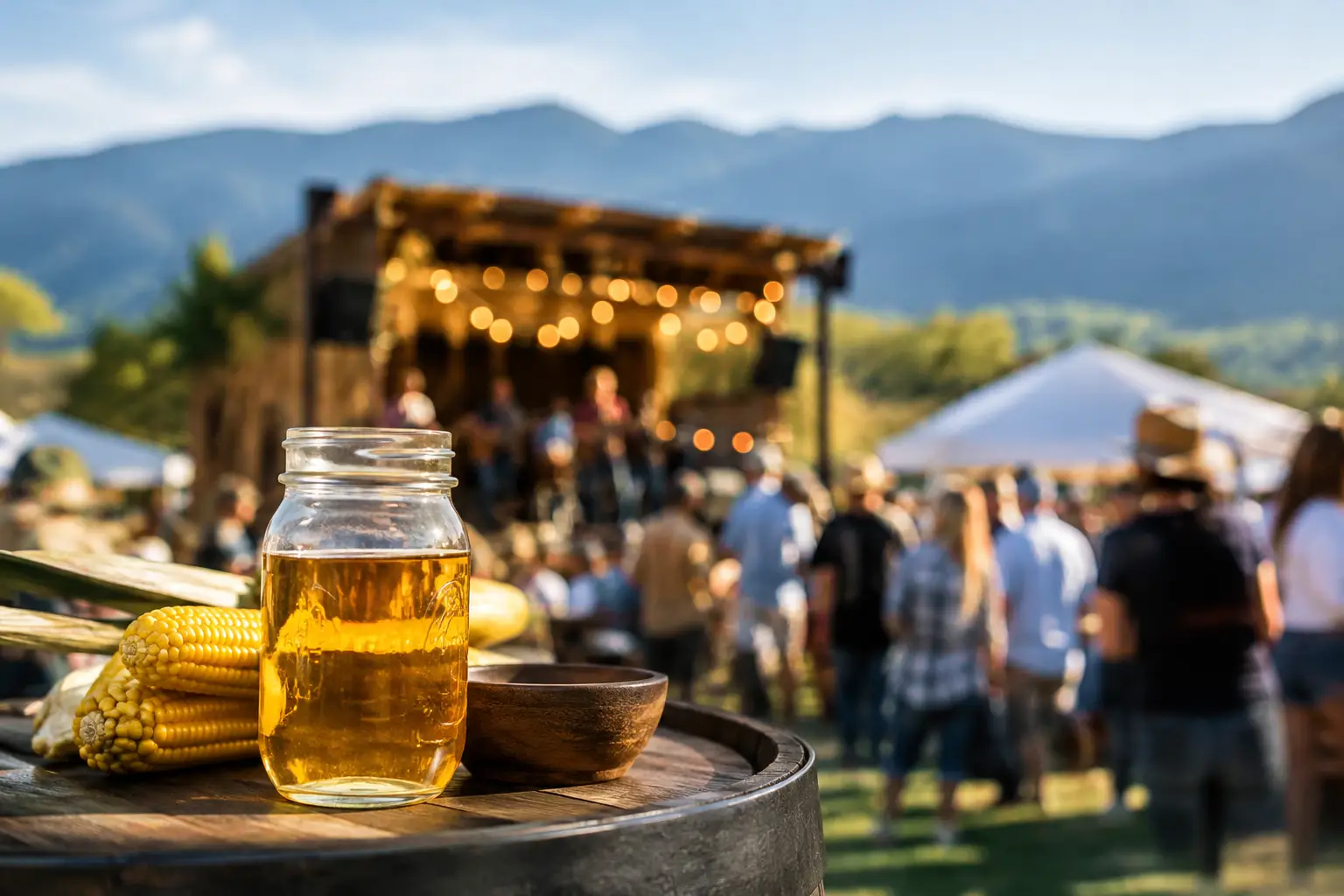
A moonshine festival cannot be promoted like a generic food truck fair with a few jar photos and a boosted post. The best moonshine festival promotion strategies start with the truth of the event: who built it, what local story it carries, and why folks should drive across county lines to be there. People come for the shine, but they stay for the characters, the music, the smoke rolling off the grills, and the feeling that they found something real.
The Moonshiners TV era helped bring that appetite to a national audience. Fans watched Tim Smith, Tickle, Mark and Digger, Amanda, Josh, Howard, and others turn family recipes, hard work, and mountain know-how into stories people could not quit watching. That same kind of storytelling can fill an event field, a downtown street, or a distillery parking lot – if the promotion feels honest from the first flyer to the last recap video.
Start With a Story Folks Can Repeat
Before picking a logo color or posting a vendor application, give the festival a clear story. Is it built around Appalachian heritage? A legal craft distillery trail? A hometown anniversary? A tribute to local music, old-time skills, and the people who kept a regional tradition alive? A good event story gives every promoter, vendor, sponsor, and attendee an answer when somebody asks, “What is this festival about?”
Do not settle for “a moonshine festival with vendors and bands.” That describes the schedule, not the reason to care. Name the place. Name the people. Show the old photos, the local creek, the family still stories, the first batch at the distillery, or the musician who has played that county fairground for twenty years. Heritage sells when it is specific.
There is a line to walk here. Moonshine culture has outlaw roots, but a public event has to respect licensing, safety, local laws, and the legal producers doing business the right way. The best promotion can carry a little backwoods edge without creating confusion about what is being served, sold, or permitted.
Build the Festival Around Faces, Not Just Flyers
A festival poster matters. A professional website matters. But people share people. Put the distiller, the pitmaster, the local legend, the bandleader, the craftsman, and the event founder in front of the camera early.
Short videos work especially well when they do not sound scripted. Let the distiller explain what makes a peach, apple pie, or white whiskey release worth tasting. Let a musician play a chorus on the festival grounds. Let the organizer point at the empty field and say what it will look like when the gates open. Those clips give the crowd somebody to root for before they ever buy a ticket.
This is where many event pages fall flat. They post a clean graphic every day, but nothing proves the gathering has a pulse. A phone video with a real personality and good sound often gets more comments than a polished image with no human voice behind it. Use both. The graphic carries the details. The people carry the emotion.
Give Every Headliner a Promotion Kit
When you book a band, special guest, distiller, food vendor, or TV personality, do not assume they will promote the festival on their own. Hand them what they need: event graphics sized for social platforms, a short description in their voice, ticket details, approved photos, and a clear posting schedule.
Make it easy, then make it personal. A guest who posts, “Come see me at a festival,” may get a few likes. A guest who shares why they are coming, who they want to meet, or what they will be pouring, signing, cooking, or performing gives fans a reason to show up. Relationships move tickets better than copy-and-paste announcements.
Use the Best Moonshine Festival Promotion Strategies Before Tickets Go Live
Promotion should begin before the public has every detail. If you wait until the lineup, vendor list, map, and sponsor banners are complete, you lose the chance to build anticipation. Start with a save-the-date and a strong promise of what is coming.
The first phase is about claiming the date. The second is about revealing the experience. Then comes urgency: early-bird ticket deadlines, limited VIP tastings where legal, campground reservations, meet-and-greet opportunities, and final lineup announcements. Each phase needs a different message. Repeating “tickets on sale now” for three months is how an event becomes background noise.
Your event website should be the home base, not an afterthought. Social media can change its rules whenever it wants. A website gives people one place to find ticket information, parking instructions, lodging, schedules, vendor applications, sponsor opportunities, age restrictions, and weather policies. It also gives the festival a better shot at being found when somebody searches for a moonshine event in your state or region.
Search visibility takes time, so do not wait until two weeks before the gates open. Build pages that reflect the actual terms fans use: moonshine festival, distillery festival, Appalachian music, heritage spirits, local tasting event, and the name of your town or county. Keep the wording natural. You are talking to real people, not feeding a machine.
Make Local Partners Part of the Main Event
A moonshine festival earns more trust when the town has a stake in it. Bring in restaurants, hotels, campgrounds, museums, farm stores, civic groups, transportation providers, and local radio. They should not feel like businesses you contacted only after you needed sponsors. They are part of the experience.
A hotel package may help an out-of-town couple decide the drive is worth it. A restaurant’s festival-weekend special can create another reason to arrive early. A local museum display can give the heritage side of the event real weight. When the community promotes the festival through its own channels, the event stops looking like a pop-up and starts looking like a tradition.
Sponsors need the same thoughtful treatment. Put their name on something that matches their audience instead of stacking logos at the bottom of a poster. A truck dealer may fit a tailgate area. A local bank may support a safe-ride program. A regional grocery chain may sponsor the cook-off. Give them visible, useful involvement, then show that involvement in photos and video after the festival.
Capture Proof While the Crowd Is There
Event media is not just a souvenir. It is the marketing foundation for next year. Have a plan for photography and video from the moment the gates open. Capture the wide crowd shots, but do not miss the details: hands clinking legal tasting cups, boots in the dust, a kid dancing near the stage, the maker explaining a product, friends laughing at a photo wall, and the first customer through a vendor line.
Get testimonials before people leave. Ask attendees what brought them out and what surprised them. Ask vendors whether the crowd was a good fit. Ask sponsors what kind of response they saw. Those honest answers can become next year’s strongest promotion because they are not coming from the organizer.
Speed matters after the event. Post a handful of great images that night or the next morning while the excitement is still hot. Then release a well-cut recap video, photo gallery, and next-year save-the-date while folks are still talking about the weekend. Let the festival live longer than one Saturday.
Measure More Than the Gate Count
A packed gate is the goal, but it is not the only number worth watching. Track where ticket buyers heard about the event, which posts caused ticket sales, how many people joined the email list, which vendors want to return, and whether visitors came from outside the local area. Those answers tell you what to spend on next time.
Sometimes a big-name guest creates a spike in attention but does not bring the kind of crowd that supports vendors all day. Sometimes a local storyteller, strong music lineup, and clean event experience create better long-term loyalty. It depends on the festival’s purpose. Know whether you are chasing a one-time crowd, growing a regional tradition, or building a brand that can support multiple events and products.
For organizers who need the full media side handled – websites, social content, photos, video, event coverage, and the relationships that make this culture feel right – Moonshiner Gary understands that a festival has to look professional without losing its dirt-road soul.
The crowd will remember the shine, the songs, and the stories they took home. Give them a reason to tell those stories before they arrive, and they will help carry your festival farther than any poster ever could. We Shinin’.


Comments are closed.