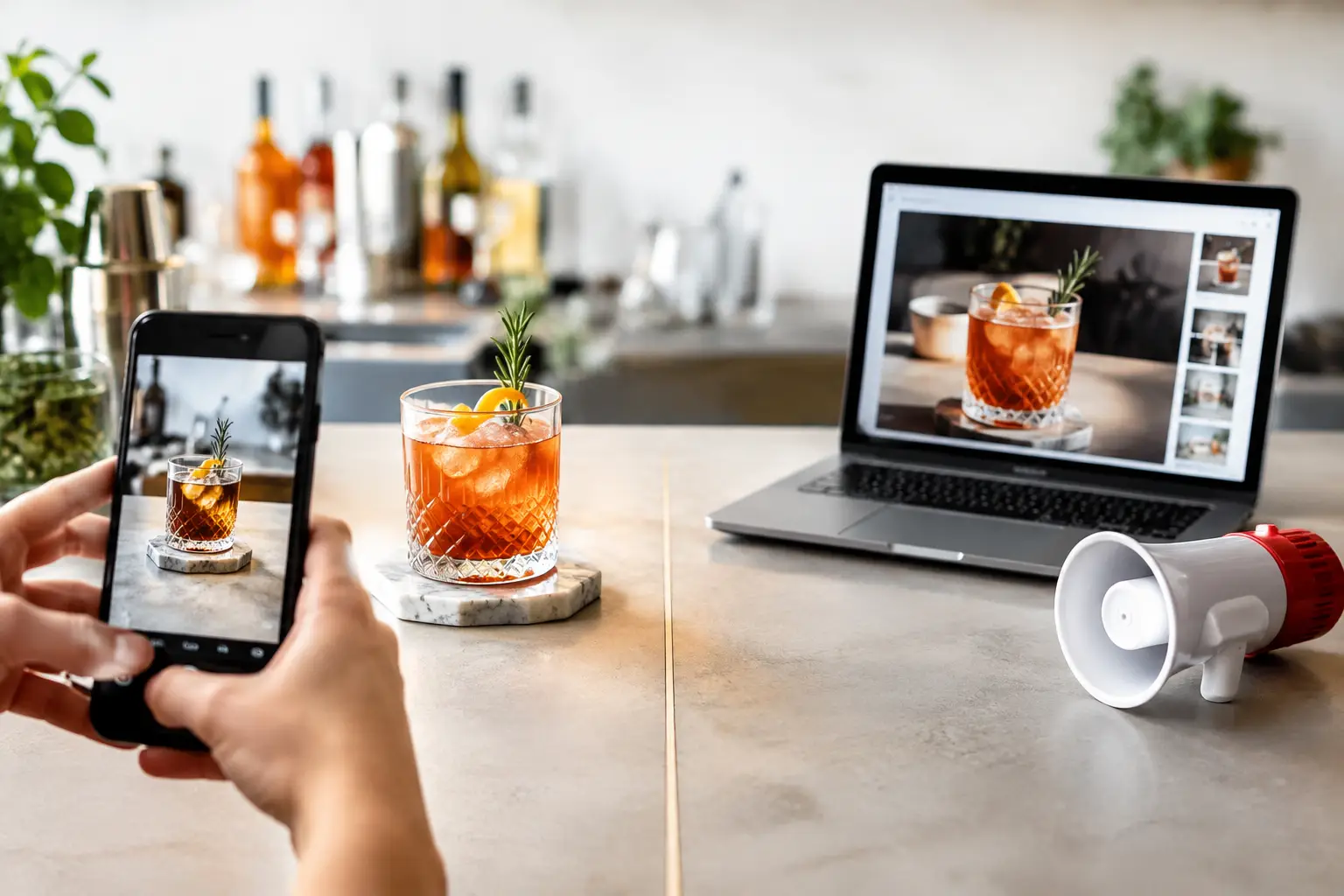
A still can make fine liquor, but it cannot make folks care by itself. That is where organic versus paid spirits promotion gets real for a distillery, a moonshine personality, a bottle shop, or an event crew. One side earns attention over time through stories and relationships. The other puts fuel behind the right message when there is a bottle drop, a festival, a tour stop, or a new website that needs traffic now.
The mistake is treating these as rival camps. Organic content and paid promotion do different jobs. Folks in the heritage spirits world can smell fake from a county away, so trust has to come first. But even the truest story needs help reaching people beyond the same loyal circle.
Organic Versus Paid Spirits Promotion: Know the Job
Organic promotion is what happens when people choose to watch, share, comment, search, and talk about your brand without you paying for each impression. It is the behind-the-scenes video of a mash run, the old family recipe story, a distiller answering a real question on camera, a customer posting a bottle from the shelf, or event photos that make somebody wish they had been there.
Paid promotion is purchased reach. It can include social advertising, search ads, sponsored video, retargeting campaigns, event promotions, and media placements. You choose an audience, set a budget, build the creative, and pay to put a message in front of qualified adults.
Organic builds the fire. Paid promotion fans it when the timing is right.
For a small legal distillery, organic might tell the story of why the water source matters and show the people putting hands on the operation. Paid promotion might carry a tasting-room event to adults within driving distance. For a Moonshiners personality headed to a meet-and-greet, organic content keeps the connection alive all year. Paid promotion helps make sure the local crowd hears about the appearance before the weekend passes.
Why Organic Content Carries More Weight in Heritage Spirits
Moonshine and backwoods spirits have never been just about alcohol. They carry stories about place, family, hard work, risk, craft, and independence. That is why a polished ad with no soul usually lands flat. The audience wants to see the real people behind the jug, barrel, still, truck, or festival booth.
A good organic strategy gives that audience something worth returning for. It may be short-form video from the shop floor, photographs from a run through the mountains, a founder telling the truth about a rough early batch, or coverage from an event where the community showed up strong. The content does not have to look expensive. It does have to feel honest, clear, and consistent.
Organic also creates the proof that paid campaigns need. Before somebody clicks an ad for a new rye, they may check the social feed, read the comments, watch a few videos, and see whether the brand looks alive. A quiet page with blurry photos and no recent activity makes even a good product feel uncertain. A site that explains the story, carries solid photography, and gives visitors a clear next step gives paid traffic somewhere worthwhile to land.
This work is slower than buying impressions, and that is the trade-off. You cannot post twice and expect a community. But every useful piece of content becomes an asset. A strong distillery video can feed social posts, website pages, press outreach, sales conversations, and future ad campaigns long after shoot day.
The content people actually share
The best organic posts do not sound like a flyer taped to a telephone pole. They show something people cannot get from a generic spirits brand: the character of the people, the work, the setting, and the reason it matters.
A few dependable angles are the maker’s story, a close look at the process, local history, fan moments, and event footage. Let the master distiller speak in their own voice. Let the personality crack a joke. Let the mud on the boots stay in the shot when it belongs there. Clean production helps, but over-scrubbing the life out of it does not.
When Paid Promotion Earns Its Keep
Paid media is not cheating. It is a tool, and like any tool, it works best in capable hands. If you have a time-sensitive offer, a new product release, tickets to move, an event announcement, or a new market to test, waiting on organic reach alone can leave money on the table.
Paid promotion is especially useful when a brand already has a clear destination. That could be an event page, an email signup, a tasting-room booking page, a retailer locator, or a well-built website. Sending people to a vague homepage and hoping they figure it out is like putting up a road sign with no town name on it.
The audience should be narrow enough to matter. A regional distillery does not need to shout at the whole country when it needs people within 50 miles of the tasting room. A touring personality may need separate campaigns for each appearance city. A premium product may be better served by reaching adults with related interests and behaviors than by chasing the biggest possible audience.
Alcohol advertising also comes with rules. Platforms, states, distributors, and event venues can have their own requirements, and campaigns should be built for legal-age audiences. Keep creative responsible, avoid claims that invite trouble, and make sure the landing page and audience settings match the promotion. Good marketing does not need to play loose with compliance to get attention.
Do not boost every post
The easy button is tempting. Somebody posts a photo, sees a few likes, and hits Boost. Sometimes that produces a little reach. More often, it burns budget without a clear goal.
Instead, look for organic posts that already show signs of life. Did people watch the video past the opening? Are comments coming from real fans? Did the post drive website visits or questions about an event? That is a better candidate for a paid push than a post chosen just because it went live on a Tuesday.
Then match the campaign to one outcome. Reach is fine when building awareness. Video views can work when introducing a personality. Website visits matter when the site is ready. Ticket sales, email signups, retailer inquiries, and tasting-room bookings are stronger targets when the campaign is meant to drive business.
Build the Two Together
The strongest spirits promotion usually follows a simple rhythm: tell the real story organically, watch what the audience responds to, then put budget behind the message with a purpose. Afterward, use what you learn to make better content and a smarter next campaign.
Say a distillery is releasing a limited run. Start several weeks ahead with organic material that shows the grain, the people, the aging process, and the reason this release is different. Capture high-quality photos and video while the story is happening, not the night before launch. As interest builds, use paid promotion to reach legal-age people near the right retailers or tasting room. Retarget adults who watched the launch video or visited the release page, then keep sharing real customer and event moments after the bottles hit the shelf.
That sequence works because it does not ask an ad to carry the whole load. The ad creates discovery. The content earns belief. The website or event experience gives people a way to act.
Measure More Than Likes
Likes feel good, but they do not always pay for a camera crew, print run, or fuel to the next festival. Track the signals connected to your actual goal: website traffic, contact form submissions, ticket sales, email growth, calls, retailer interest, bookings, and sales where they can be reliably tied back to the campaign.
Organic success can also show up in quieter ways. A local reporter may call after seeing consistent content. An event organizer may invite you back because last year’s coverage proved the crowd was real. A fan may walk into a tasting room already knowing the founder’s story. Those relationship gains are hard to stick in one spreadsheet, but they matter in this business.
Moonshiner Gary has seen that the names people remember are rarely built on one loud advertisement. They are built by showing up, telling a believable story, and giving fans a reason to stay connected when the cameras are off.
Spend Where the Story Is Already Strong
If your organic presence is weak, start by fixing the foundation: clear branding, current photos, usable video, a website that works on a phone, and a content plan built around your real story. If that foundation is already working, paid promotion can help you move faster and reach the right adult audience without losing the voice that made people trust you in the first place.
The next good story is probably already happening at your distillery, on the road, or at the next event. Capture it right, share it straight, and put money behind it only when you know where you want the crowd to go. We Shinin’.


Comments are closed.