A good bottle can win a tasting. A good story can win a fan. But if your distillery does not show up when folks search online, you are leaving money, visits, and wholesale attention on the table. That is where seo for distilleries stops being tech talk and starts being a real business tool for brands built on hard work, heritage, and reputation.
In this world, story matters. Folks do not buy craft spirits the same way they buy paper towels. They buy a name, a place, a face, a process, and a feeling. That has been true from the early days of Moonshiners on Discovery, when audiences were pulled in by outlaw lore, mountain know-how, and strong personalities, all the way to today, where legal distilleries, heritage brands, and backwoods makers are turning that same kind of interest into tours, bottle sales, merch, events, and loyal followings. The folks who figured that out early did not just sell liquor. They sold identity.
The trouble is, a lot of distilleries still treat their website like a digital business card. A few nice photos, a short About page, maybe a product section, and that is it. Meanwhile, customers are searching for things like bourbon distillery near me, moonshine tasting in Tennessee, craft whiskey tours, private barrel picks, and where to buy local spirits. If your site is not built to answer those searches, somebody else gets the click.
Why seo for distilleries hits different
SEO is not one-size-fits-all, especially in the spirits world. Distilleries live at the crossroads of local tourism, product discovery, regulation, and brand storytelling. That means your search strategy has to do more than chase traffic. It has to bring the right people to the right page at the right time.
A local couple planning a weekend trip wants hours, directions, tasting info, and whether your place feels worth the drive. A bar manager looking for a regional brand wants credibility, product details, and proof you are active and professional. A fan who saw your bottle on social media may search your name just to see if you are legit. Those are three different searches with three different intentions. If your website treats them all the same, you lose ground.
This is where many agencies miss the mark. They know SEO in general, but they do not understand how much this business runs on trust, personality, and place. In the distilling world, people want the real thing. If your site sounds polished but soulless, or if it looks good but says nothing worth remembering, it will not carry the same weight as a brand with some dirt under its boots and a clear story in its chest.
Your website should work like your tasting room
When somebody walks into a good tasting room, they know where to go, what the brand stands for, and what makes it worth paying attention to. Your website should do the same job.
That starts with your homepage. It should quickly tell people what you make, where you are, and why your distillery matters. Not with puffed-up marketing lines, but with plain, strong language. If you are a family-run Tennessee distillery making legal moonshine with deep Appalachian roots, say that. If you are known for small-batch bourbon and live music weekends, say that. Search engines are reading that language, but more importantly, so are people.
Then there is page structure. Your main services and experiences need their own dedicated pages. Tours should not be buried in one paragraph on the homepage. The same goes for tastings, events, wholesale inquiries, private labels, and product collections. Search engines rank pages, not vague intentions. If you want to show up for distillery tours in your region, build a page that fully covers your tour experience.
Photos matter too, but not just because they look good. Original photography of your stills, rickhouse, bottles, tasting room, team, and land gives your site substance. It shows customers you are real, and it gives search engines more context when images are named and organized correctly. In a business built on visual identity, weak photography can quietly hurt trust.
Local search is where the money starts
For many distilleries, the fastest SEO win is local visibility. You are not trying to outrank every national liquor brand on earth. You are trying to be the obvious answer when someone nearby searches for a distillery, tasting, event space, or local bottle.
That means your name, address, phone number, business hours, and service area need to be consistent across your website and your business profiles. It also means your site should mention the towns, counties, and regions you actually serve in a natural way. If your distillery is in Gatlinburg, Lexington, Nashville, Asheville, or anywhere folks travel for craft spirits, your content should reflect that.
Reviews play a major role here. Not fake ones. Real ones, from people who toured your place, bought your bottles, or worked with your team. Search engines pay attention to review activity, and so do customers. A distillery with a strong story and a pile of fresh reviews has an advantage over a silent brand with a prettier logo.
There is a trade-off, though. Some distilleries focus so heavily on local that they ignore broader brand searches. That can be a mistake if you are selling merchandise, building a personality-driven brand, or getting media attention outside your home state. Local SEO gets feet through the door, but branded content builds reach.
Content should sound like you, not a brochure
A lot of distillery websites are too stiff. They talk like a compliance sheet when they should sound like a living brand. Good SEO content is not about stuffing pages with keywords. It is about answering real questions in a voice people remember.
If your audience cares about heritage, write about heritage. If your process matters, show it. If your founder has a story that ties into old family methods, local farming, copper still traditions, or the rise of legal moonshine after years of cultural stigma, that is content worth publishing. The history behind this industry is not fluff. It is one of the biggest reasons people care in the first place.
Think about how Moonshiners grew from a TV show into something bigger. Fans did not stick around only for the product. They followed the people, the pressure, the risk, the craft, and the backwoods code behind it all. Distilleries can learn from that. The brands that win online are usually the ones that let people into the story without turning it into a cartoon.
That may look like articles about your process, harvest season updates, behind-the-scenes video write-ups, event recaps, cocktail features, or profiles on the people behind the still. It depends on your brand. A polished bourbon house and a rowdy moonshine outfit should not sound the same. What matters is that the content feels native to your world.
Technical SEO still matters, even if it is not sexy
You can have the best story in the county, but if your site is slow, broken on mobile, or hard to crawl, search performance will suffer. Most distillery traffic now comes from phones. People are searching while traveling, sitting at dinner, planning a route, or standing in a liquor store aisle. If your site takes forever to load or makes basic info hard to find, they are gone.
Clean page titles, clear headings, fast load times, working forms, accurate metadata, and mobile-friendly layouts are the baseline. Not the bonus. Distilleries also need to be careful with age gates, pop-ups, and fancy design features that look sharp but get in the way of usability. Brand experience matters, but so does making the site functional.
This is also where video, photography, and strong copy can work together. A sharp site with original media does more than help rankings. It helps convert attention into action.
SEO for distilleries works best when it connects to the whole brand
SEO is strongest when it is not working alone. If you are posting videos, covering events, building social buzz, and getting press, your search visibility gets stronger because your brand gets stronger. Search engines notice activity. People do too.
That is especially true in this business, where relationships still move the needle. Distilleries that show up at festivals, collaborate with known personalities, document their process, and keep their digital presence active tend to earn more searches over time. They become discoverable because they become talked about.
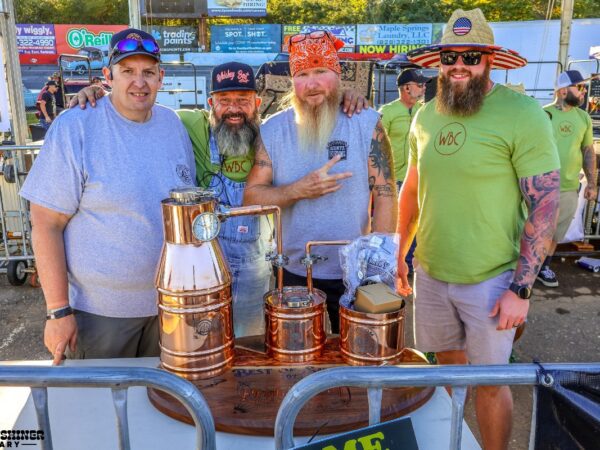
That is why the best strategy is not to chase tricks. It is to build a real brand online that matches the reputation you have offline. If your distillery has heart, history, and hustle, your website and search presence ought to carry that same weight. Moonshiner Gary has built around that truth for years – real people, real stories, and media that does more than sit there looking pretty.
If your distillery is worth the drive, worth the pour, and worth remembering, your SEO should make sure folks can find you before they find the other guy.



Comments are closed.