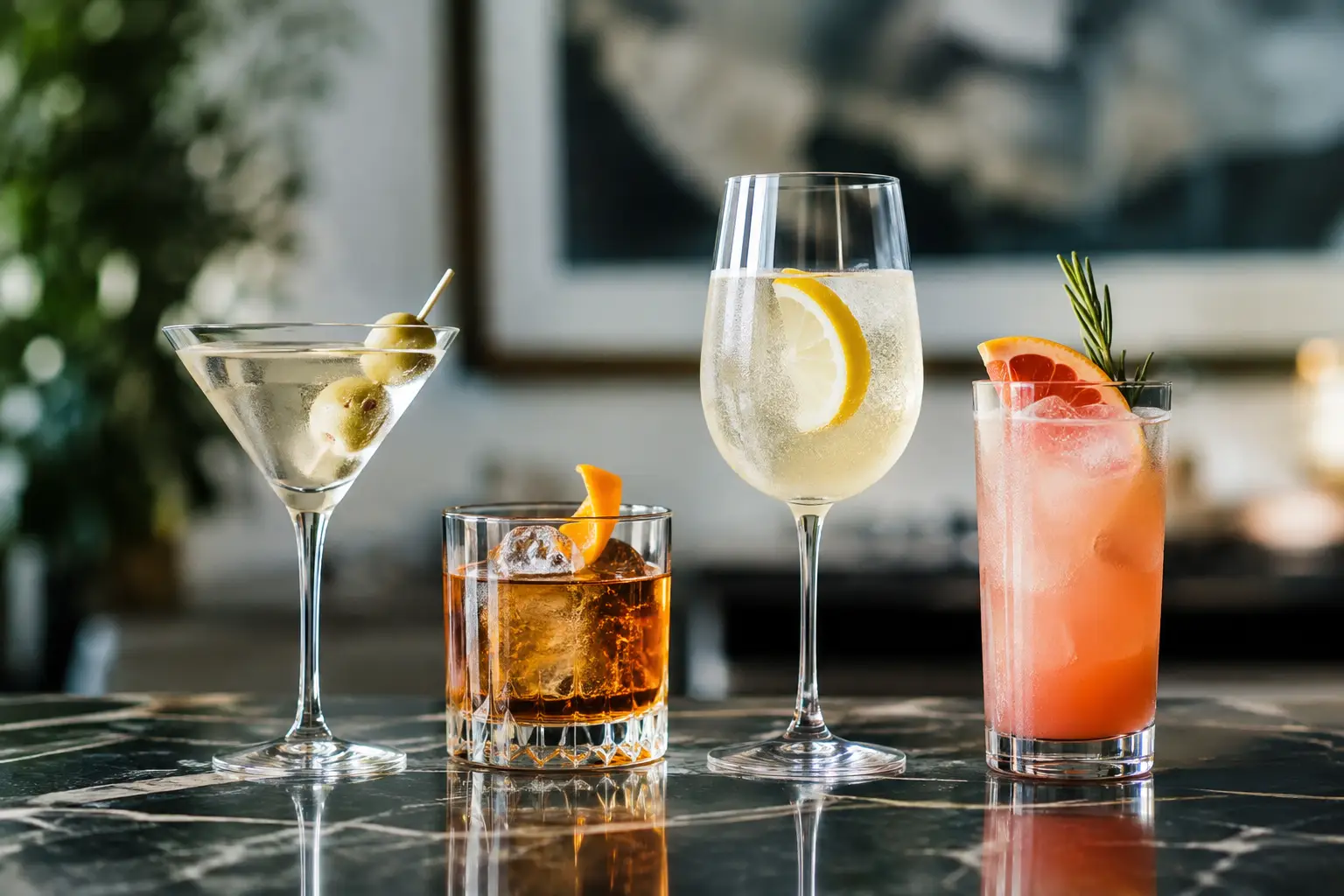
A good spirits PR comparison is not about who can promise the biggest headline or toss the most fancy agency words across the table. It is about who can tell your story in a way that makes folks believe it, remember it, and want to pour a glass. For a distillery, a moonshine brand, or a personality with real roots in the trade, public relations has to carry more weight than a press release and a few social posts.
The spirits business runs on trust. People buy the bottle because of what is inside, but they come back because of the story, the people, the place, and the feeling that the brand has earned its seat at the table. That is especially true in moonshine, whiskey, craft spirits, and heritage brands where a family recipe, a backwoods upbringing, or a hard-earned reputation is not marketing fluff. It is the whole foundation.
Spirits PR Comparison: General Reach vs. Real Roots
A general PR agency can be a fine fit for certain brands. If a national company has a giant budget, a broad lifestyle campaign, and a product that needs placement across food, fashion, sports, and business media, a big agency may have the reach to make that happen. They know the calendar, the publications, and the polished language that corporate media expects.
But reach without cultural understanding can make a heritage spirits brand sound like it was built in a boardroom. A press release may mention “artisan craftsmanship,” “premium positioning,” and “authentic experiences” without ever saying what makes the liquor, the maker, or the community worth paying attention to. That kind of copy may look clean on a screen, but it does not always move the people who live this culture.
Industry-rooted PR starts somewhere different. It starts with the question: what is true about this brand that nobody else can honestly claim? Maybe it is a grandfather’s recipe. Maybe it is a legal distillery keeping Appalachian traditions alive. Maybe it is a personality who built an audience by doing things the hard way, one run, one event, and one handshake at a time.
The right partner knows the difference between borrowing that identity and representing it with respect. That matters when your audience can smell a fake story from a mile down a dirt road.
The Moonshiners Effect Changed the Conversation
Before Moonshiners brought backwoods distilling stories into living rooms across America, a lot of people saw moonshine as little more than an old stereotype or a punchline. The show put faces, families, ingenuity, risk, recipes, and regional pride front and center. Over the years, viewers got to know names like Tim Smith, Tickle, Mark and Digger, Amanda, Josh, and Howard as people with their own style, history, and loyal following.
That visibility created more than television moments. It helped turn moonshine and heritage distilling into a full-blown audience category. Fans began looking for events, legal products, personalities, merchandise, behind-the-scenes stories, and a closer connection to the people they watched. Distilleries had a bigger opportunity, but they also had a bigger challenge: how do you carry a real-world reputation into the digital world without sanding off every rough edge that made people care?
That is where generic PR and culture-first PR split apart. One approach sees the Moonshiners audience as a demographic to target. The other sees a community with a shared language, long memory, and a deep respect for people who have paid their dues.
What a Strong PR Partner Actually Delivers
Public relations should not be treated like a magic phone call to a magazine editor. Good publicity is built from material worth covering and a steady presence that backs up the story. For most spirits brands, that means PR works best when it is tied to the rest of the media engine.
A good website gives writers, retailers, event organizers, and fans a place to learn the facts. Professional photography gives them a reason to stop scrolling. Video lets the founder, distiller, or personality speak in their own voice. Search engine optimization helps the story show up when people start looking. Social media keeps the brand alive between launches, festivals, episodes, and big announcements.
When those pieces match, publicity has somewhere to land. When they do not, PR can create a short spike of attention that disappears before it turns into ticket sales, tasting room visits, distributor interest, or a stronger fan base.
For example, an event announcement should not just say that a distillery will be pouring on Saturday. It should show the people attending what makes that pour worth the trip. Is a well-known moonshiner appearing? Is there a new release connected to a regional tradition? Is it a benefit, a reunion, a festival, or a chance to meet the maker? The story needs a hook, and the content needs to make that hook visible.
Big Agency Polish Has a Place, But So Does Grit
There is nothing wrong with polished media work. A clean media kit, strong product photos, a thoughtful pitch, and clear talking points can open doors. The problem comes when polish replaces personality.
A heritage spirits brand does not need to pretend it is a luxury perfume company. It needs to look professional without losing the character that got people interested in the first place. Some brands should lead with a refined bottle and a chef partnership. Others should lead with the still, the mountain road, the old family photo, or the personality behind the jug. Most need a little of both.
This is the key trade-off in any spirits PR comparison. A broad agency may be better equipped to chase large-scale national press. A specialist with genuine connections in the moonshine, country, outlaw, and distilling world may be better at building trust where your real customers gather. Neither route is automatically right. The right answer depends on your goals, your budget, your history, and whether your brand can handle attention before it arrives.
If you are trying to get acquired by a larger company, a polished national narrative may be the priority. If you are building a loyal tasting room crowd, selling tickets to events, or turning a known personality into a lasting brand, relationships and consistent grassroots content may do more for you than a one-time splash.
Ask Better Questions Before You Hire PR
Do not choose a PR partner just because they show a long list of logos or promise “media exposure.” Ask what kind of media they know, who they have worked with, and how they turn coverage into ongoing momentum. Ask whether they understand alcohol advertising boundaries, event promotion, personality-driven branding, and the difference between a legal craft distillery and the culture that inspired it.
You should also ask what they need from you. The honest answer should include access to your people, your story, your releases, and your schedule. No PR team can build real attention around a brand that stays silent, sends blurry photos, or has no clear point of view.
Look for a partner who can tell you when an idea is not ready, when a product launch needs better assets, and when a story is stronger as video than as a press pitch. That kind of candor is worth more than a stack of vague monthly reports.
Moonshiner Gary has worked alongside recognizable personalities from the Moonshiners world because this work is about more than posting content. It is about knowing the people, respecting the culture, and putting real stories in front of the right audience with photos, video, websites, event coverage, and promotion that does not feel borrowed.
Build a Reputation That Holds Up After the Headlines
The best PR does not chase attention for attention’s sake. It creates proof. Proof that your distillery has a point of view. Proof that your founder can tell a story. Proof that your brand belongs at an event, on a shelf, in a feature, or in a fan’s collection.
A headline can introduce people to your name, but the work after that headline decides whether they stick around. Keep showing the process. Put faces behind the brand. Celebrate the history without getting trapped in it. Let your audience see the long nights, the small wins, the family ties, and the honest work that goes into every bottle.
That is the kind of reputation nobody can fake for long. Build it right, keep it moving, and when the spotlight hits, you will have something real to pour.


Comments are closed.