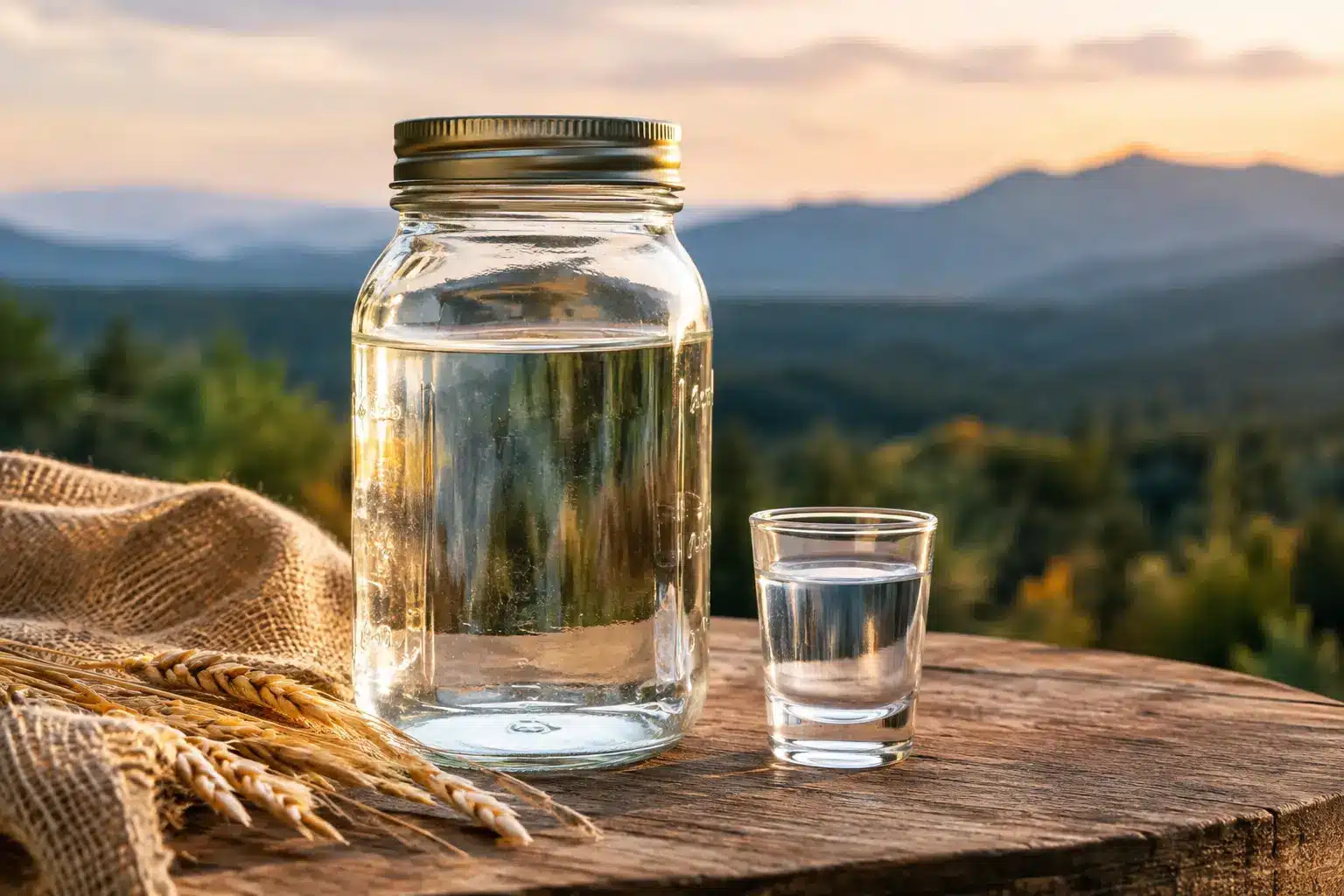
A mason jar on a shelf, a copper still in the barn, a recipe handed down by a granddad who knew every creek in the county – that is the picture most folks get when they ask, is moonshine legal? The straight answer is this: moonshine can be legal when it is made and sold by a properly licensed distillery. Homemade distilled liquor made without the required federal permits is not legal, even if it is only for personal use, even if nobody pays for it, and even if the recipe has been in the family for generations.
That answer may not be as romantic as the old stories, but it respects the real history of shine. Moonshine was born from independence, hard times, farm-country know-how, and a refusal to let outside forces tell mountain people how to live. Those stories deserve to be told straight – without confusing heritage with the law as it stands today.
Is Moonshine Legal? It Depends on What You Mean
The word moonshine gets used for a few different things. Traditionally, it means unaged, high-proof corn whiskey made outside the tax and licensing system, often under cover of darkness. In that original sense, illegal production is baked right into the name.
Today, though, plenty of legitimate distilleries make and sell clear corn whiskey, white whiskey, or products marketed as moonshine. You will see it in jars, bottles, tasting rooms, liquor stores, and at licensed festivals. That product is legal because the distillery has followed the rules required to manufacture beverage alcohol.
So the jar itself does not decide whether it is legal. The question is who made it, where it was made, whether the producer held the proper approvals, and whether taxes and labeling requirements were handled the right way. Legal moonshine is a regulated spirit. Illegal moonshine is unlicensed distilled alcohol, no matter how clean the setup looks or how good the story sounds.
Why Federal Law Draws a Hard Line
Federal law treats distilling differently from making beer or wine at home. Adults may be able to make limited amounts of beer or wine for personal or family use under federal rules, subject to state law. That home-production allowance does not extend to distilled spirits.
To legally produce beverage alcohol, a distiller generally needs federal approval through the Alcohol and Tobacco Tax and Trade Bureau, along with the correct state and local licenses. The business must meet facility, recordkeeping, tax, labeling, storage, and production requirements. The details are not light work, and they should not be. Distilled spirits are highly regulated for public safety, tax collection, and accountability.
There is no federal “just one batch” exception for homemade liquor. There is no legal personal-use loophole because you never sold a drop. Giving it away does not fix the issue either. If distilled alcohol was produced without the required authorization, the fact that it stayed inside the family circle does not make it lawful.
That can surprise folks who grew up around shine stories. But old-time moonshiners knew exactly what they were doing and why they kept it quiet. The law has changed in plenty of ways over the decades, but unlicensed distillation remains a serious matter.
A Still Is Not Always Illegal, but Using One Can Be
Owning a still is a separate question from producing liquor. In some places, people legally own small stills for collecting water, making essential oils, producing fuel alcohol under appropriate rules, display purposes, or other non-beverage uses. State and local rules can vary, so a still owner needs to know the law where they live.
The trouble starts when a still is used to make drinkable spirits without the required permits. A copper pot still might be beautiful craftsmanship, a family heirloom, or a conversation piece at a distillery. None of that gives a person permission to run illegal whiskey.
There is another practical concern people sometimes overlook: safety. Distillation involves heat, pressure, flammable alcohol vapor, and equipment that has to be built and operated correctly. Bad materials, poor ventilation, careless cuts, or a rushed run can lead to fire, explosion, contamination, and real injury. The backwoods image may look wild on television, but responsible distilling is skilled work.
What About Moonshiners on TV?
The success of Moonshiners brought mountain distilling culture into living rooms across America. The show put faces, accents, family recipes, copper craftsmanship, and regional traditions in front of a huge audience. Personalities like Tim Smith, Tickle, Mark and Digger, Amanda, Josh, Howard, and many others helped turn a misunderstood piece of Appalachian history into a national conversation.
The show also made one thing clear for anybody paying attention: there is a difference between the storytelling around moonshine culture and the real legal framework for alcohol production. Television can show a chase, a build, a recipe, or a piece of family history. It cannot hand a viewer a license to distill at home.
That distinction matters because the audience is bigger than ever. Some viewers come for the outlaw tales. Some are fascinated by heritage spirits. Others want to open a legal distillery, launch a brand, host an event, or build a career around the culture. The strongest path forward is to honor the roots while operating aboveboard.
Legal Moonshine Is a Real Business
The legal moonshine business has created room for craft distillers to put regional grain, old recipes, and hometown pride on the shelf. A clear spirit does not have to be flavorless or generic. Corn varieties, water sources, fermentation choices, yeast, proof, filtration, and distillation style all leave their mark. A good legal white whiskey can carry real character without pretending the law does not exist.
For a distillery, legality is only the foundation. Building a brand takes more than a label with a mason jar on it. Customers want to know who is behind the product, what county or tradition shaped it, and whether the story has some honest grit to it. They also need to find the brand online, see it in good photography, understand the product, and feel a connection before they ever take a sip.
That is where the culture and the business can work together. Heritage is not a costume. It is the real people, techniques, places, and relationships behind a bottle. A legal producer who tells that story with respect has something much stronger than a fake outlaw slogan.
Know the Difference Before You Buy or Serve
For consumers, the easiest way to stay on solid ground is to buy spirits from licensed retailers, distilleries, and authorized sellers. Look for professional packaging, tax stamps or required marks where applicable, an alcohol-by-volume statement, and a producer that can clearly identify its business. If somebody is selling unmarked jars out of a trunk, a social media message, or a parking lot, that is not a charming shortcut. It is a red flag.
Be especially careful with mystery liquor. You cannot verify its proof, ingredients, cleanliness, or storage history. High-proof spirits can be deceptive, and a product made outside regulated channels may carry risks beyond the legal ones. When in doubt, leave it alone.
For event organizers and venue owners, the same common sense applies. Serving or promoting alcohol means checking state and local requirements, insurance needs, permits, age verification, and seller credentials. A good event can celebrate moonshine culture without putting attendees, vendors, or the venue in a bad spot.
The Real Legacy of Shine
Moonshine history is bigger than a hidden still. It is about farmers turning corn into value, families making do, communities protecting their own, and craftsmen learning a trade with patience and nerve. It is also about the legal distillers who took that heritage into a new era, putting Appalachian and Southern spirits on shelves where the wider world could finally appreciate them.
The old stories still matter. So does doing things right. If moonshine culture means something to you, support the licensed distillers, storytellers, makers, and events keeping that tradition visible without selling it short. We Shinin’ – but the best shine stories are the ones strong enough to stand in the daylight.


Comments are closed.