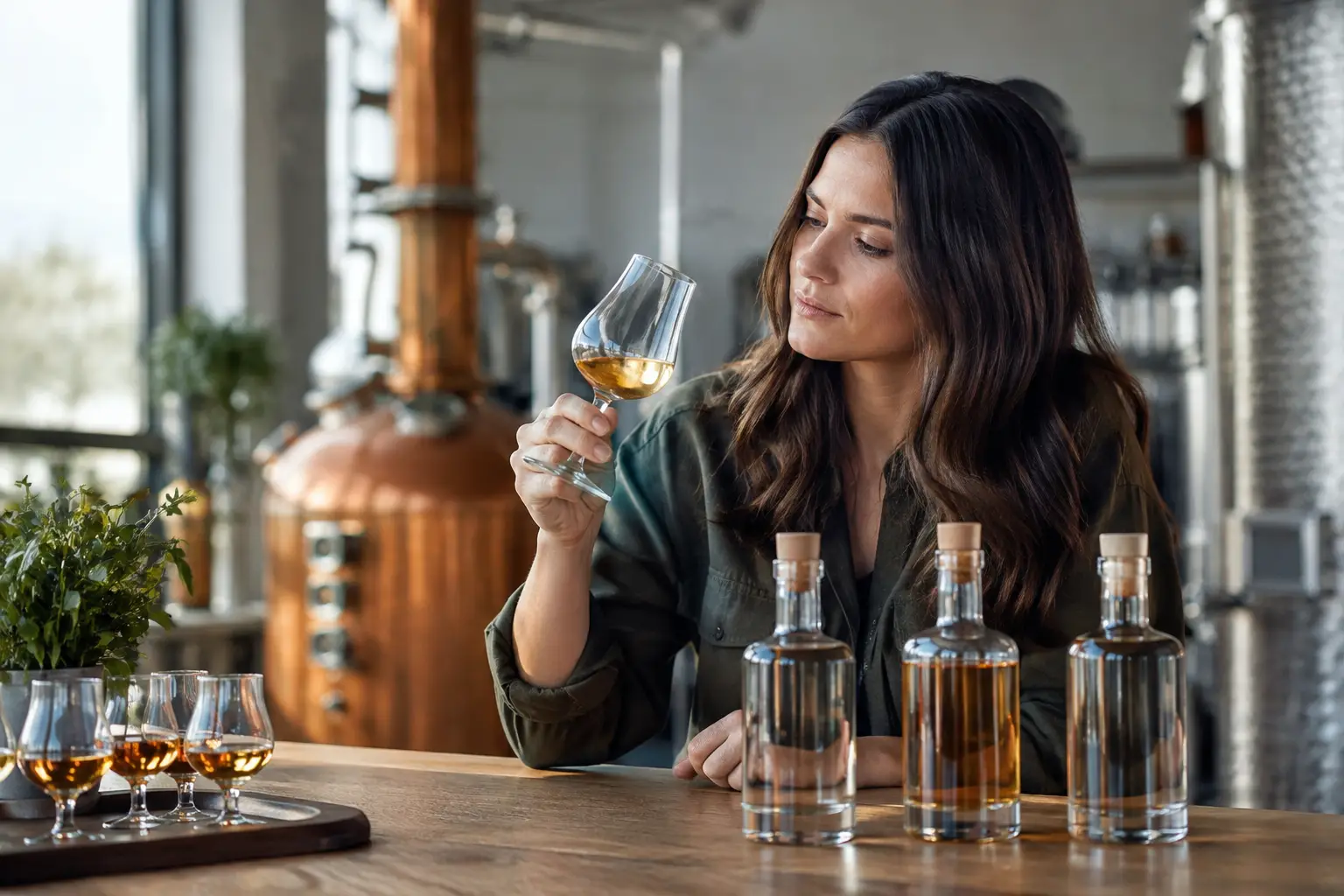
A copper still can make fine liquor, but it cannot build a following by itself. The future of craft distilling will belong to the folks who can put a real face, a hard-earned story, and a clear purpose behind every bottle. Around these parts, people can spot a fake heritage story quicker than they can spot a bad corn mash.
For years, Moonshiners gave America a front-porch look at the people, places, and traditions behind backwoods liquor. Viewers watched Tim Smith bring old-school recipes and business sense together. They watched Tickle chase a deal, Mark and Digger work through the details of a build, and Josh, Howard, Amanda, and plenty of others prove that this culture has more personalities than any boardroom could manufacture. The show made moonshine familiar to millions, but it also reminded people that making spirits has always been about more than alcohol.
It is about family recipes. It is about local water, stubborn independence, long nights, and the kind of knowledge that gets passed down by watching somebody work. Legal craft distillers have a big opportunity ahead, but the road will not be easy. Shelf space is tight, consumers are more selective, and a pretty label is no longer enough to make somebody reach for a bottle twice.
The Future of Craft Distilling Needs Real Roots
Heritage is powerful, but only when it is honest. A new distillery does not need a great-granddaddy with a hidden still on a ridge to earn respect. It does need to know where it stands, why it makes what it makes, and who it serves. Maybe that story starts with Appalachian grain, a county orchard, a veteran-owned operation, a family farm, or a chef who got tired of seeing local ingredients shipped away and turned into somebody else’s product.
The strongest brands will stop borrowing a vague “outlaw” look and start telling a specific story. Where does the corn come from? Who built the still? What does the town think of the place? What does the founder know that cannot be copied by a national brand with a big ad budget?
That last question matters. Big spirits companies can buy distribution, celebrity endorsements, and glossy campaigns. They have a harder time buying genuine community. A distillery that supports its local fair, shows up for a charity cookout, hosts its neighbors, and treats its staff like family is building something that lasts longer than a seasonal release.
Craft Spirits Are Becoming a Relationship Business
The liquor business used to be built mostly through distributors, account calls, and what happened at the bar. Those things still matter. But now a distillery’s reputation is also built on a phone screen, one short video at a time.
A customer might first see a clip of a distiller checking a mash, a founder telling the truth about a batch that did not come out right, or a familiar face signing bottles at an event. That customer may never visit the distillery, but they can still feel like they know the people behind it. That connection can turn a curious viewer into a customer, then into somebody who brings friends along on the next visit.
This is where plenty of good operations get left behind. They are making honest liquor, running a clean facility, and working themselves to the bone, but nobody outside the county line knows it. Their website is outdated. Their social media goes quiet for weeks. Their photos do not show the people, the process, or the personality that makes the place worth visiting.
The future is not about posting every day just to feed an algorithm. It is about showing proof of life. Let folks see the grain delivery, the barrel room, the crowded tasting room, the bottling day, and the old timer who still has an opinion about how corn whiskey ought to taste. Good media gives a business a memory. It documents the work and gives new customers a reason to care.
The Next Big Advantage Is Experience
Not every craft distillery needs to chase tourism. Some are built for local retail, some for regional distribution, and some for contract production. But for many heritage-minded producers, the distillery itself is becoming part of the product.
People want a reason to take the back road. They want to taste something where it was made, meet the person who made it, hear a story that does not sound like it came from a corporate script, and carry home a bottle that means more because of the trip. A good tasting room can do what a billboard never will. It lets customers become part of the story.
That does not mean turning every distillery into a theme park. There is a trade-off. Events, tours, live music, and special releases take time, staffing, insurance, planning, and money. A small crew can burn out fast trying to be a production team, hospitality team, and marketing department all at once.
The smart move is to build experiences that fit the operation. A small, well-run bottle signing may work better than a giant festival. A behind-the-scenes grain-to-glass tour may matter more than another generic happy hour. If the brand has real ties to music, hunting, motorsports, barbecue, or the backwoods lifestyle, those connections can create events that feel natural instead of forced.
Better Whiskey Is Not Always the Same as Better Business
Craft distilling has matured. Consumers know more than they did ten years ago. They ask about mash bills, barrel entry proof, age statements, fermentation, sourcing, and whether a product was actually distilled on-site. That is a good thing. It pushes producers to be sharper and more transparent.
But technical quality alone does not guarantee sales. There are excellent bottles sitting on shelves because nobody knows why they matter. There are also brands with average juice and loud marketing that move fast for a while, then disappear when the buzz wears off.
The lasting brands will get both sides right. They will make a product they can stand behind and communicate it in plain language. They will not hide behind fancy tasting notes when what they really need to say is, “We made this here. We used this grain. We aged it this way. Here is why it tastes like our place.”
Transparency will separate serious operators from the pretenders. If a whiskey is sourced, say it. If it is a blend, explain the thinking. If the first batches are young because the distillery is young, do not invent a tale to cover it up. Most drinkers will respect honesty. What they will not respect is feeling like somebody tried to pull one over on them.
Heritage Spirits Will Have to Meet New Drinkers Where They Are
The next generation of customers is not looking for one kind of drinking experience. Some want a traditional white whiskey with a good story. Others want a lower-proof canned cocktail for the river, a botanical gin from regional ingredients, or a whiskey release tied to a local event. The opportunity is wide, but chasing every trend can water down a brand in a hurry.
A distillery should know its anchor product. That is the bottle that carries its name, its place, and its standards. New flavors, ready-to-drink products, collaborations, and limited runs can bring new people through the door, but they should lead back to that anchor instead of replacing it.
This is also where personality matters. The Moonshiners audience has never tuned in just for equipment specs. People tune in for characters, conflict, friendship, problem-solving, and the satisfaction of seeing a plan come together. Spirits brands should remember that. Your founder, distiller, farmer, barrel picker, or event crew may be the strongest part of your marketing if they are willing to be themselves on camera.
At Moonshiner Gary, that has always been the point of the work: help real people turn their real reputation into stronger websites, videos, photography, search visibility, and event coverage without sanding off the rough edges that made people care in the first place.
The Future of Craft Distilling Will Reward the Ones Who Show Up
The business ahead will be competitive. Costs can rise. Regulations can shift. Distribution can be frustrating, and social media can change the rules overnight. There is no magic formula, and there sure is no substitute for making a product worth drinking.
Still, the producers with a clear identity have an edge. They know their local people. They protect the truth of their story. They keep showing the work, not just the finished bottle. And when a customer walks through the door or finds them online, they make that person feel welcome.
That is how a small distillery becomes a name people pass along at a cookout, ask for at a package store, and plan a weekend around visiting. Keep the fire under the still, keep your word, and give people something real to raise a glass to. We shinin’.


Comments are closed.